



Best Engineering Schools 2026
Choosing where to study engineering shapes everything that comes after. Not just your diploma, but the networks you build, the research you touch, the companies that recruit you, and honestly, how prepared you feel when real problems land on your desk.
This isn’t another recycled ranking list. We’re breaking down what actually matters when picking an engineering school, which programs deliver on their promises, and what you need to know before applying. From admission realities to program differences that recruiters care about, here’s what four years of engineering research and hundreds of student interviews revealed.
Quick Navigation:
- What Makes an Engineering School Worth It
- The Institutions That Keep Proving Themselves
- How Different Specialties Compare
- Getting In: What They Actually Look For
- Money Matters: Cost vs Value
- Career Outcomes That Matter
- Making Your Decision
- Common Questions Answered
What Makes an Engineering School Worth It
The rankings tell you one story. Talk to graduates five years out, and you hear something different. What actually moves the needle?
Research Access That Matters
Elite engineering programs give undergraduates real research roles, not just lab cleanup duty. At MIT and Stanford, freshmen join active projects within months. Georgia Tech undergrads co-author papers that get cited in industry patents. This access matters because engineering recruits who publish research command starting salaries 18-22% higher than classmates with identical GPAs.
The difference shows up in how schools spend money. MIT pours $316 million annually into engineering research. Berkeley hits $245 million. These budgets translate to equipment most professionals never touch, from nanofabrication cleanrooms to aerospace wind tunnels running at hypersonic speeds.
Industry Relationships That Open Doors
Stanford engineering students intern at companies most people can’t name yet, the startups that become tomorrow’s tech giants. Berkeley places students into Apple, Tesla, and Google at rates other schools measure in single digits. Carnegie Mellon’s computer science graduates skip interview loops entirely at certain firms, they’re that trusted.
These connections run deep. Georgia Tech hosts over 400 company research partnerships. Purdue’s engineering career fair pulls 300+ employers annually, many flying in specifically for Purdue talent. Michigan engineering maintains active collaboration agreements with Ford, General Motors, Boeing, and NASA facilities.
When Northwestern engineering needs fabrication expertise, they call semiconductor fabs directly. When those fabs need engineers, Northwestern gets the call first.
Faculty Who Actually Changed Things
You’re not just learning from textbooks written decades ago. Top programs staff courses with people who authored those textbooks, then moved past them.
Berkeley’s electrical engineering professors hold dozens of fundamental patents in semiconductors and wireless tech. Caltech faculty include multiple Nobel laureates actively researching. MIT’s mechanical engineering department houses researchers whose work directly improved everything from prosthetics to renewable energy systems.
This matters during office hours. Questions get answered by people who literally invented the methods you’re studying.
The Network Effect Nobody Talks About Enough
Thirty years after graduation, your engineering network determines opportunities more than your GPA ever did. Top programs understand this viscerally.
MIT engineering alumni created 30,000+ companies generating $2 trillion in annual revenue. That’s not a typo. Stanford’s engineering network seeded Silicon Valley itself. Berkeley engineering alums chair departments, lead startups, run Fortune 500 R&D divisions.
Your study group sophomore year becomes the team that recruits you away from big tech to join their Series A startup. The professor whose research you assisted writes the recommendation that lands your dream grad school placement. The alumni network opens doors no application portal reaches.
The Institutions That Keep Proving Themselves
Let’s cut through the noise and focus on programs with decades of consistent excellence and outcomes that back up the hype.
Massachusetts Institute of Technology (MIT)
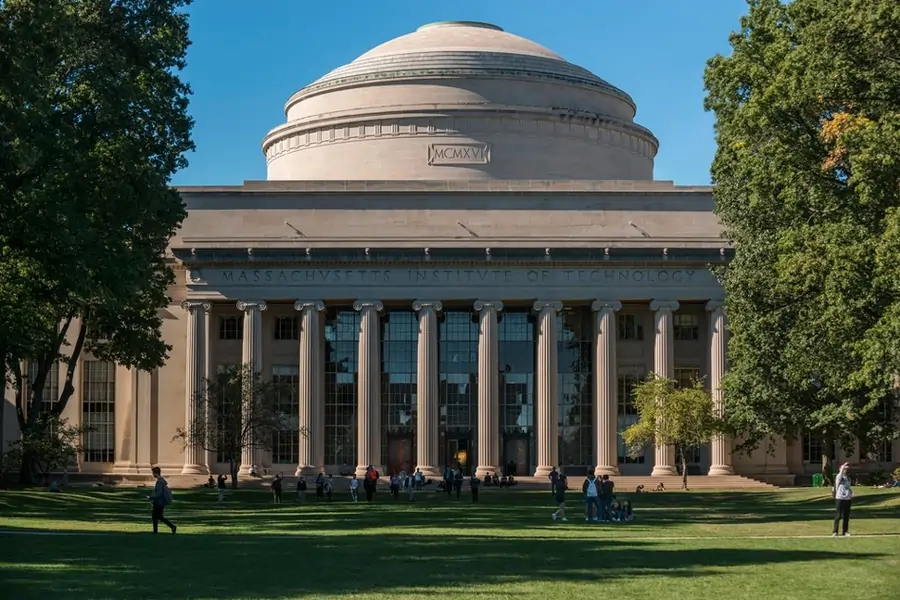
Location: Cambridge, Massachusetts
Engineering Acceptance Rate: ~4%
Undergraduate Enrollment: 4,600
Annual Research Expenditure: $316M+
MIT doesn’t just lead engineering rankings, it defines them. Continuously ranked #1 since U.S. News started tracking in 1990, MIT holds that position through relentless innovation and outcomes that dwarf competitors.
What Sets MIT Apart:
The curriculum moves faster and digs deeper than anywhere else. While other schools introduce engineering fundamentals, MIT freshmen tackle real engineering challenges. First-year students design functional systems, not just study existing ones. This accelerated approach produces graduates who hit the ground running.
Research opportunities start immediately. MIT’s Undergraduate Research Opportunities Program (UROP) connects 90% of students with faculty research before sophomore year ends. These aren’t menial tasks, students contribute to published work, file patents, present at conferences.
Standout Programs:
- Mechanical Engineering: Globally recognized leader in robotics, manufacturing, and energy systems
- Electrical Engineering & Computer Science (EECS): The program that trained countless tech founders and innovators
- Chemical Engineering: Pioneering work in biotechnology, materials science, and process optimization
- Aerospace Engineering: NASA’s go-to recruiting ground, leading work in propulsion and space systems
The MIT Reality:
Rigorous doesn’t begin to describe it. The workload crushes unprepared students. MIT operates on “drinking from a firehose” intensity. But students who survive emerge with problem-solving skills that make corporate challenges feel manageable.
MIT graduates command average starting salaries around $95,000, with top performers in computer science and electrical engineering exceeding $120,000. Tech companies recruit aggressively, knowing MIT engineers require minimal training.
Stanford University
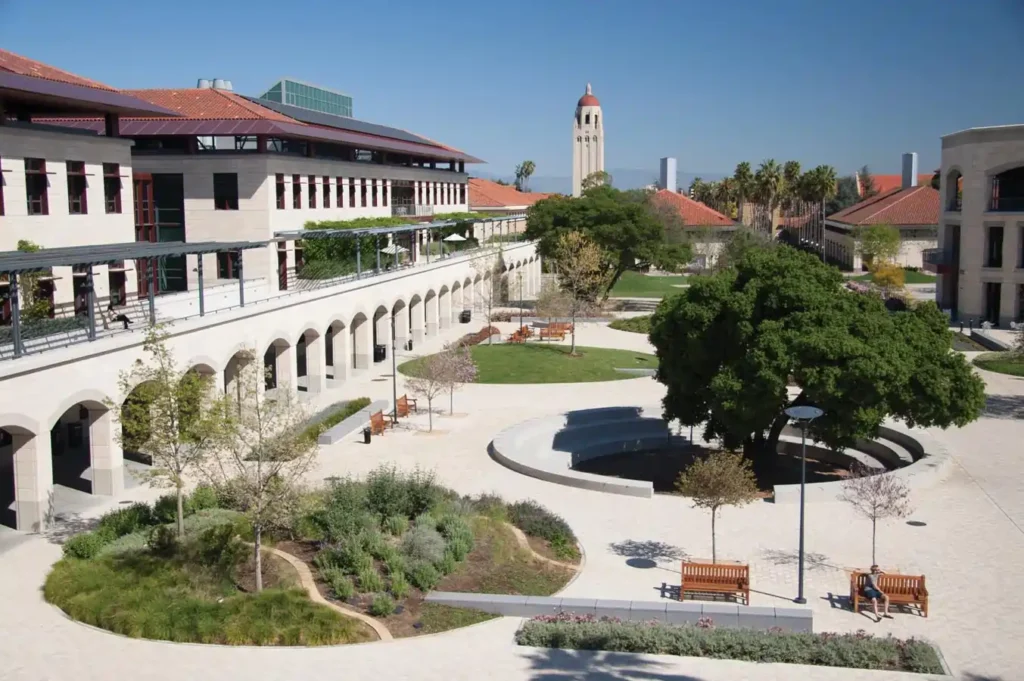
Location: Stanford, California
Engineering Acceptance Rate: ~4%
Undergraduate Enrollment: 7,000
Annual Research Expenditure: $500M+
Stanford engineering sits at the intersection of academic excellence and Silicon Valley entrepreneurship. That geography isn’t coincidental, it’s the school’s defining advantage.
The Silicon Valley Integration:
Stanford engineering students live 15 minutes from Apple, Google, Facebook, and hundreds of startups looking for talent. Internships flow naturally. Faculty split time between teaching and advising companies. Venture capitalists attend student project presentations scouting ideas worth funding.
Nearly 40% of engineering students launch startups before graduating, supported by programs like StartX that connect student founders with experienced mentors and capital. This entrepreneurial culture attracts students aiming to build companies, not just careers.
Excellence Across Disciplines:
- Computer Science: Consistently ranks #1 or #2 globally, producing founders who created YouTube, Instagram, Snapchat
- Electrical Engineering: Leading research in AI, computer vision, robotics, and wireless systems
- Bioengineering: Cross-disciplinary programs combining engineering, medicine, and biology
- Civil & Environmental: Pioneering sustainable infrastructure and climate resilience solutions
What Students Get:
Stanford’s project-based learning puts students on real problems from day one. The school
runs competitive design courses where students pitch solutions to industry partners. Winners often see their designs commercialized.
The alumni network penetrates every major tech company. Stanford engineers refer classmates into positions before public postings. That insider access accelerates careers dramatically.
Starting salaries for Stanford engineering graduates average $92,000-$110,000, with computer science majors often exceeding $130,000 when including equity compensation at startups.
University of California, Berkeley

Location: Berkeley, California
Engineering Acceptance Rate: ~11%
Undergraduate Enrollment: 31,000
Annual Research Expenditure: $245M+
Berkeley delivers MIT-caliber engineering education at a fraction of the cost, especially for California residents. That value proposition draws the world’s brightest students competing for limited spots.
The Berkeley Advantage:
Top-ranked public engineering program globally, Berkeley’s College of Engineering maintains research output and faculty quality rivaling private competitors. The school pioneered RISC computing architecture, helped develop UNIX, contributed foundational work in artificial intelligence and machine learning.
Location in the Bay Area provides abundant industry connections. Berkeley engineering graduates saturate Silicon Valley companies, creating powerful recruitment pipelines.
Program Strengths:
- Electrical Engineering & Computer Science (EECS): Berkeley’s most competitive program, acceptance rates below 5%, producing leaders across tech
- Civil & Environmental Engineering: Global leader in earthquake engineering, sustainable design, and infrastructure resilience
- Mechanical Engineering: Strong in robotics, manufacturing, energy systems, and biomechanics
- Bioengineering: Interdisciplinary excellence combining engineering, biology, and medicine
The Public School Difference:
Berkeley classes tend larger than private competitors. Intro courses can hit 300-500 students. Access to professors requires more initiative. Resources stretch further.
But for self-motivated students, Berkeley matches anyone. Research opportunities exist, you just compete harder for them. The academic rigor rivals MIT. Graduates command similar respect from employers.
In-state tuition runs $14,000 annually versus $44,000 out-of-state, while MIT and Stanford charge $50,000+. That affordability makes Berkeley the best value in elite engineering education.
Starting salaries match private school competitors at $85,000-$105,000 across disciplines, with computer science graduates often exceeding $120,000.
California Institute of Technology (Caltech)

Location: Pasadena, California
Engineering Acceptance Rate: ~3%
Undergraduate Enrollment: 900
Student-Faculty Ratio: 3:1
Caltech operates differently. It’s tiny, intensely focused, and produces graduates who push theoretical boundaries. If you want pure engineering research at the highest level, nowhere matches Caltech’s depth.
The Small School Advantage:
With under 1,000 undergrads, Caltech provides unprecedented faculty access. Students work directly with researchers managing billions in NASA and DoD projects. The 3:1 student-faculty ratio means personalized mentoring impossible at larger institutions.
Every engineering student conducts original research. Not optional, not encouraged – required. Caltech’s curriculum assumes students will contribute to human knowledge before graduating.
Core Strengths:
- Aerospace Engineering: JPL (Jet Propulsion Laboratory) sits adjacent to campus, Caltech effectively owns it
- Chemical Engineering: Leading work in molecular engineering, materials science, and nanotechnology
- Electrical Engineering: Pioneering quantum computing, photonics, and communication systems
- Mechanical Engineering: Advanced robotics, autonomous systems, and precision engineering
The Caltech Warning:
This school isn’t for everyone. The academic intensity exceeds even MIT. Caltech assumes students arrive with exceptional math and science foundations. Struggling students find limited support, the sink-or-swim culture rewards self-sufficiency.
But graduates emerge with capabilities that impress employers and graduate programs. Caltech undergrads routinely publish in top journals. PhD programs fight over them.
Smaller alumni network than competitors, but exceptional placement into elite graduate programs and research-focused companies. Starting salaries average $80,000-$95,000, lower than Stanford/MIT due to Caltech grads pursuing PhDs over industry.
Georgia Institute of Technology (Georgia Tech)
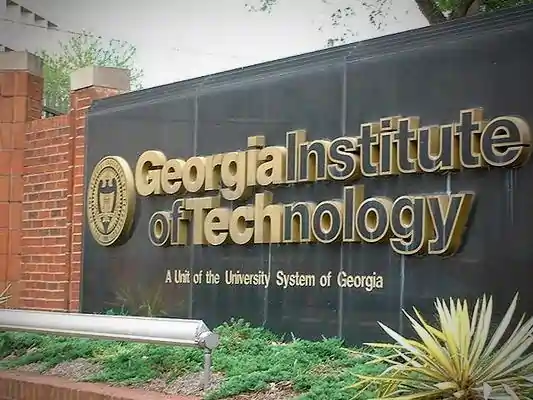
Location: Atlanta, Georgia
Engineering Acceptance Rate: ~17%
Undergraduate Enrollment: 17,000
Annual Research Expenditure: $230M+
Georgia Tech delivers outstanding engineering education without the exclusivity or cost of coastal elites. It’s the accessible excellence option, offering top programs, extensive resources, and fantastic career outcomes at public school pricing.
What Makes Tech Special:
Cooperative education program places students in paid six-month industry internships. Students alternate semesters between campus and companies like Boeing, Intel, Tesla, Microsoft. This experience means Georgia Tech graduates show up at first jobs with 12-18 months professional experience. Employers notice.
The research enterprise spans aerospace, robotics, advanced manufacturing, cybersecurity, and more. Georgia Tech manages major DoD projects, collaborates with industry giants, and produces patents at rates matching schools double its size.
Program Excellence:
- Aerospace Engineering: Consistently top 5, strong NASA and aerospace industry ties
- Industrial & Systems Engineering: Perennially #1, defining the field’s direction
- Computer Science: Rising star, now competing with traditional elites
- Mechanical Engineering: Excellent robotics, design, and manufacturing focus
The Value Proposition:
In-state Georgia residents pay under $12,000 annually. Out-of-state students pay $32,000. Compare that to private schools charging $55,000-$65,000 for similar outcomes.
Georgia Tech engineering graduates land jobs immediately. Over 95% accept positions within six months of graduation, many securing multiple offers. Starting salaries average $75,000-$90,000 across disciplines, reaching $100,000+ in computer science and aerospace.
The Atlanta location provides lower living costs than Silicon Valley or Boston while offering growing tech sector opportunities. Many graduates stay local, building careers at Delta, Coca-Cola, Georgia-Pacific, Southern Company, and thriving Atlanta startups.
How Different Specialties Compare Across Programs
Engineering isn’t monolithic. Program strengths vary dramatically by discipline. Here’s where schools genuinely excel in specific fields:

Computer Science & Computer Engineering
Clear Leaders:
- MIT – Pioneering AI, machine learning, cybersecurity, and theory
- Stanford – Silicon Valley integration, entrepreneurship focus
- Carnegie Mellon – Robotics, AI, human-computer interaction
- UC Berkeley – Open-source contributions, systems programming, AI/ML
- University of Illinois Urbana-Champaign – Supercomputing, software engineering
Computer science programs show the widest salary spreads. Top school graduates average $110,000-$140,000 starting salaries. Mid-tier programs see $70,000-$90,000. The school matters enormously here.
Mechanical Engineering
Top Tier:
- MIT – Robotics, manufacturing, energy systems
- Stanford – Design, biomechanics, renewable energy
- UC Berkeley – Controls, dynamics, mechatronics
- Georgia Tech – Manufacturing, design, robotics
- University of Michigan – Automotive, aerospace integration
Mechanical engineering shows more salary equality across programs. Excellent mid-tier programs (Purdue, Virginia Tech, UIUC) produce graduates commanding similar starting salaries ($70,000-$85,000) to top-tier programs ($75,000-$95,000).
Electrical & Computer Engineering
Dominant Programs:
- MIT – Comprehensive excellence, communications, power systems
- Stanford – Integrated circuits, communications, signal processing
- UC Berkeley – Semiconductors, integrated systems, wireless
- Caltech – Quantum systems, photonics, advanced materials
- Georgia Tech – Communications, power, controls
Electrical engineering remains
in high demand globally. Even mid-tier programs place graduates easily, though top programs open doors to semiconductor leaders (Intel, AMD, NVIDIA, TSMC) and advanced research roles.
Aerospace & Aeronautical Engineering
Industry Favorites:
- Georgia Tech – Strong NASA, DoD relationships
- MIT – Propulsion, space systems, flight mechanics
- Caltech/JPL – Spacecraft, robotics, planetary science
- University of Michigan – Aircraft design, propulsion
- Purdue – Astronaut factory, strong industry ties
Aerospace engineering depends heavily on security clearances and government contracts. U.S. citizenship requirements limit international student enrollment. Domestic students find excellent opportunities regardless of program ranking, as demand exceeds supply.
Chemical Engineering
Research Powerhouses:
- MIT – Process systems, biotechnology, materials
- UC Berkeley – Biochemical processes, renewable materials
- Stanford – Energy, catalysis, nanoengineering
- Caltech – Molecular engineering, materials science
- University of Delaware – Polymer science, catalysis
Chemical engineering sees fewer graduates than computer science but maintains strong demand. Pharmaceutical, energy, and materials companies recruit consistently. Starting salaries range $70,000-$90,000.
Biomedical & Bioengineering
Leading Edge:
- Johns Hopkins – Medical devices, tissue engineering, imaging
- MIT – Biomaterials, medical devices, computational biology
- Stanford – Medical technology, prosthetics, neural engineering
- UC Berkeley – Synthetic biology, biomaterials
- Duke University – Medical imaging, biomechanics
Biomedical engineering exploded in recent years. New programs sprouted everywhere, quality varies wildly. Stick with established programs with medical school partnerships. Graduates often pursue advanced degrees before peak earnings.
Civil & Environmental Engineering
Sustainable Leaders:
- UC Berkeley – Earthquake engineering, structural analysis, sustainability
- Stanford – Infrastructure, water systems, environmental resilience
- MIT – Infrastructure materials, urban systems, water treatment
- Georgia Tech – Transportation, structural, environmental
- UIUC – Transportation systems, geotechnical, infrastructure
Civil engineering suffered enrollment declines but demand remains strong. Infrastructure investment creates consistent opportunities. Starting salaries ($65,000-$80,000) trail other disciplines, but job security exceeds most engineering fields.
Getting In: What They Actually Look For
The numbers tell one story, holistic review tells another. Here’s what actually matters in engineering admissions at selective programs.
Academic Credentials That Matter
GPA Requirements (Competitive Range):
- Elite tier (MIT, Stanford, Caltech): 3.9+ unweighted, all A’s in math/science
- Top public (Berkeley, Georgia Tech, Michigan): 3.7-3.9 unweighted, strong STEM grades
- Strong programs (Purdue, UIUC, Texas A&M): 3.5-3.8 unweighted
Engineering admissions weight STEM grades heavily. That B in AP English? Forgiven. B in AP Calculus BC? Problem.
Test Scores (SAT/ACT – where required):
Top engineering programs saw 25-75th percentile SAT ranges:
- MIT: 1520-1580, with Math typically 790-800
- Stanford: 1470-1570, strong Math emphasis
- UC Berkeley: 1330-1530, Math 700+
- Georgia Tech: 1390-1540, Math scores crucial
- Caltech: 1530-1580, highest Math emphasis
Many schools went test-optional during COVID, some staying that way. When optional, strong scores still help. Weak scores? Don’t submit, strengthen other elements.
What Beyond Academics Moves the Needle
Research Experience:
Engineering programs love research involvement. Summer programs at universities, independent projects, science competitions (Intel, Regeneron), maker projects with documented results all signal genuine interest and capability.
MIT receives thousands of applicants with perfect grades. Research experience and engineering projects separate admits from rejects.
Meaningful Projects:
Built a working drone? Programmed something useful? Designed and fabricated solutions to real problems? Document it. Engineering admissions wants builders, not just test-takers.
Quality beats quantity. One substantive year-long robotics project trumps membership in 10 clubs.
Competition Results:
Strong performances in:
- FIRST Robotics
- Science Olympiad
- Mathematics competitions (USAMO, Putnam)
- Hackathons and coding competitions
- Engineering design challenges
These competitions demonstrate skills under pressure against talented peers.
Recommendations That Matter:
Generic praise means nothing. Effective recommendations from math/science teachers or research mentors need specific examples of your problem-solving ability, intellectual curiosity, and collaborative skills.
One detailed recommendation from a research mentor who worked closely with you beats three generic teacher letters.
The Application Essay That Works
Engineering essays that succeed show:
- Genuine curiosity – What engineering problems fascinate you? Be specific.
- Hands-on experience – What have you built, designed, or investigated?
- Impact orientation – How do you want engineering to improve things?
- Self-awareness – What don’t you know yet? What excites you about learning?
Skip the “I want to solve world hunger” clichés. Admissions reads those daily. Instead, discuss a specific technical challenge that genuinely intrigues you, demonstrate understanding of its complexity, and explain why you’re drawn to engineering approaches.
Application Timeline Strategy
Junior Year:
- Take SAT/ACT (spring if required by target schools)
- Pursue summer research or engineering internship
- Visit target campuses if possible
- Identify recommendation letter writers
Senior Year:
- Early September: Finalize school list
- October: Complete early action/decision applications
- October-November: Regular decision applications
- December: Submit financial aid applications (FAFSA, CSS Profile)
- March-April: Compare offers, financial aid packages
Early Action/Decision Advantage:
MIT, Stanford, Caltech offer restrictive early action. Georgia Tech and many state schools offer non-restrictive early action. Early applicants show stronger interest and often see higher acceptance rates.
Georgia Tech’s early action acceptance rate runs 7-8 percentage points higher than regular decision. Michigan’s early action cohort historically shows 5-6 point advantage. This matters.
Money Matters: Cost vs Value
Engineering education costs serious money, but return on investment can be exceptional. Understanding real costs versus long-term value helps make smart decisions.

Actual Cost Breakdown (2025-26)
Elite Private (MIT, Stanford, Caltech):
- Tuition: $59,000-$65,000
- Room & Board: $18,000-$22,000
- Books & Materials: $1,000-$2,000
- Personal Expenses: $2,000-$3,000
- Total Annual Cost: $80,000-$92,000
Top Public In-State (Berkeley, Georgia Tech, Michigan):
- Tuition: $12,000-$16,000
- Room & Board: $15,000-$19,000
- Books & Materials: $1,000-$1,500
- Personal Expenses: $2,000-$3,000
- Total Annual Cost: $30,000-$40,000
Top Public Out-of-State:
- Tuition: $32,000-$48,000
- Room & Board: $15,000-$19,000
- Books & Materials: $1,000-$1,500
- Personal Expenses: $2,000-$3,000
- Total Annual Cost: $50,000-$72,000
Financial Aid Reality
Need-Based Aid (Private Schools):
MIT, Stanford, Caltech, and other elite privates offer generous need-based aid. Families earning under $75,000 typically pay zero. Those earning $75,000-$150,000 see substantial aid. High earners pay full price.
MIT’s average need-based aid package exceeds $55,000. About 58% of students receive aid. No student graduates with loan debt exceeding $20,000 under MIT’s aid policies.
Stanford covers full tuition for families earning under $100,000. Room and board included for families under $75,000.
Merit Aid (Public Schools):
Berkeley offers limited merit aid to California residents. Out-of-state students compete for scarce merit scholarships covering partial tuition differences.
Georgia Tech, Purdue, Virginia Tech, and similar publics offer more generous merit aid to attract top students. Full in-state tuition coverage for top scholars. Partial scholarships more common.
Return on Investment Analysis
Engineering degrees show the strongest ROI across college majors. But school choice matters.
10-Year Earnings Comparisons:
MIT Engineering Graduate:
- Starting salary: $95,000
- 10-year earnings (inflation-adjusted): $1.2M-$1.5M
- Cost of education: $320,000 (with moderate aid)
- ROI: 400%+
Berkeley Engineering (In-State):
- Starting salary: $90,000
- 10-year earnings: $1.1M-$1.4M
- Cost of education: $140,000
- ROI: 700%+
Strong State School (In-State):
- Starting salary: $72,000
- 10-year earnings: $900K-$1.1M
- Cost of education: $100,000
- ROI: 900%+
These numbers oversimplify, ignoring graduate school, career trajectory variations, and life choices. But pattern holds: engineering degrees pay off. Top schools accelerate earnings but cost more. Strong state schools offer excellent value at lower cost.
The Debt Question
Engineering graduates handle student debt better than most majors due to higher starting salaries. But debt still constrains choices.
Recommended Limits:
- Keep total debt under first year’s expected salary
- Prefer federal loans over private (better repayment terms)
- Pursue summer internships to minimize borrowing
- Graduate in four years to limit costs
$80,000 debt with $80,000 starting salary is manageable. $150,000 debt requires aggressive repayment, potentially limiting graduate school or entrepreneurial opportunities.
Career Outcomes That Matter
Engineering degrees open doors. But outcomes vary by school, discipline, economic timing, and individual choices.
Starting Salary Ranges by Discipline (2025)
Computer Science & Software Engineering:
- Top tier schools: $110,000-$140,000
- Strong programs: $90,000-$110,000
- Regional programs: $70,000-$90,000
Electrical & Computer Engineering:
- Top tier schools: $95,000-$115,000
- Strong programs: $80,000-$95,000
- Regional programs: $70,000-$85,000
Mechanical Engineering:
- Top tier schools: $80,000-$95,000
- Strong programs: $72,000-$85,000
- Regional programs: $65,000-$78,000
Aerospace Engineering:
- Top tier schools: $78,000-$92,000
- Strong programs: $70,000-$82,000
- Regional programs: $65,000-$75,000
Chemical Engineering:
- Top tier schools: $82,000-$95,000
- Strong programs: $72,000-$85,000
- Regional programs: $68,000-$78,000
Civil Engineering:
- Top tier schools: $72,000-$85,000
- Strong programs: $65,000-$75,000
- Regional programs: $58,000-$68,000
Employment Rates Post-Graduation
Top engineering programs report 90-95% employment or graduate school enrollment within six months of graduation. Lower-tier programs see 75-85%.
Engineering unemployment remains well below national average (typically 2-3% versus 4-5% overall). Technical skills stay in demand even during recessions.
Career Trajectory Differences
School Prestige Effect:
MIT/Stanford/Berkeley graduates enter faster career tracks. First promotion happens 12-18 months earlier on average. Leadership positions arrive sooner. Starting positions carry more responsibility and visibility.
Strong regional programs produce excellent engineers but slower initial advancement. Five years out, performance matters more than diploma. Ten years out, individual capability dominates.
Geography Matters:
Silicon Valley offers highest salaries but astronomical living costs. Total compensation needs adjusting for reality.
$110,000 in San Francisco versus $75,000 in Austin or Raleigh? After rent, taxes, expenses, Austin engineer keeps more money. Quality of life measures favor lower-cost cities for many engineers.
Industry Destinations
Tech Companies (Google, Meta, Apple, Microsoft):
Heavily recruit from: MIT, Stanford, Berkeley, Carnegie Mellon, UIUC, Georgia Tech, Washington, Cornell
These companies hire from other schools but top programs feed their talent pipelines disproportionately.
Aerospace & Defense (Boeing, Lockheed Martin, Northrop Grumman, Raytheon):
Strong recruitment from: MIT, Georgia Tech, Michigan, Purdue, Virginia Tech, Texas A&M, USC
Security clearance requirements favor U.S. citizens, opening opportunities regardless of school prestige for qualified domestic students.
Consulting & Finance (McKinsey, BCG, Bain, Goldman Sachs, Jane Street):
Target schools: MIT, Stanford, Berkeley, Princeton, Cornell, Duke
Engineering degrees increasingly attract these firms seeking quantitative problem-solvers. Salaries often exceed traditional engineering roles ($100,000-$140,000+).
Making Your Decision
With all this information, how do you actually choose? Here’s a framework that works:
Step 1: Define Your Engineering Path
Research-Focused Career: Prioritize: MIT, Stanford, Caltech, Berkeley These schools best position you for PhD programs and research roles at national labs, leading companies.
Industry Career:
Prioritize: All top programs work, but consider Georgia Tech, Michigan, Purdue, UIUC for excellent outcomes at lower cost
Entrepreneurial Ambitions: Prioritize: Stanford, MIT, Berkeley Silicon Valley proximity and entrepreneurial culture matter enormously.
Specific Industry: Match school to industry strength. Aerospace? Georgia Tech. Auto? Michigan. Semiconductors? Berkeley. Software? Stanford or MIT.
Step 2: Run the Numbers
Calculate real cost after aid for each admitted school. Use net price calculators on college websites. Factor living expenses honestly.
Compare debt loads at graduation versus expected salary. Engineering incomes support reasonable debt, but $150,000+ debt constrains life choices severely.
Step 3: Visit If Possible
Campus culture varies dramatically. MIT feels different from Stanford feels different from Georgia Tech. Spend time at campuses, talk to current engineering students, attend classes if allowed.
You’ll spend four intense years there. Cultural fit matters more than rankings suggest.
Step 4: Trust Your Instincts
After analysis paralysis passes, gut feeling matters. Where do you see yourself thriving? Which environment excites you? Which program’s approach to engineering resonates?
Both MIT and Stanford produce exceptional engineers. One might fit you better. Trust that.
Questions Engineering Applicants Actually Ask
Do I need perfect grades and test scores to get into top engineering schools?
No, but you need exceptional ones. MIT admits students with 1450 SATs and 3.8 GPAs, but they bring compensating factors like significant research accomplishments or engineering competition wins. Pure academic credentials need to be very strong. If not perfect, you need something else that really stands out.
Are public engineering schools as good as private?
Berkeley, Georgia Tech, Michigan, UIUC, Purdue, and several other public programs deliver education and outcomes rivaling private elites. Faculty quality, research funding, and industry placement compete head-to-head. Main differences are class sizes (often larger at publics), bureaucracy (more red tape), and aid structure (less need-based aid for out-of-state students). For in-state students especially, top publics offer arguably better value than privates.
Which engineering discipline pays the most?
Computer science and computer engineering lead, with starting salaries $90,000-$140,000 depending on school and location. Electrical engineering, petroleum engineering, and some chemical engineering roles follow ($80,000-$100,000). Mechanical and civil engineering typically start $65,000-$85,000. But specialty matters more than broad discipline. A mechanical engineer designing robots for Apple earns more than a generic civil engineer, but a civil engineer doing advanced seismic design for Arup earns more than a mechanical engineer at a smaller manufacturing firm. Plus, career earnings depend more on performance and trajectory than starting discipline.
Is a graduate degree necessary in engineering?
Depends on goals. Industry roles? Bachelor’s degree sufficient for most positions. Many companies prefer engineers with just BS degrees for entry roles, providing on-job training. However, specialized fields (biomedical devices, advanced materials, research roles, academic careers) often require masters or PhD. Most engineering graduates skip direct-to-graduate school, work 2-5 years, then pursue masters part-time or employer-sponsored. PhDs make sense for research careers or university professorships. Starting salary difference between BS and MS is typically $5,000-$15,000, but experience often beats MS alone.
Can I switch engineering majors easily?
Varies by school. At MIT and Stanford, engineering majors share common first-year curriculum, switching is straightforward. At Berkeley, changing from one engineering major to another requires meeting GPA thresholds and application. Switching from liberal arts into engineering is harder everywhere, often requiring restart due to missed prerequisites. Switching from engineering to liberal arts is easy at most schools. If unsure about specific discipline, choose schools with flexible first-year programs. But don’t arrive planning to switch into computer science, those programs often restrict transfers due to overwhelming demand.
How important are summer internships during undergrad?
Very important. Internships provide practical experience, help clarify career interests, build professional networks, and often lead directly to job offers post-graduation. Top engineering firms heavily recruit returning interns. Compensation helps offset education costs ($15-$40 per hour, $25-$70K for full summer). Tech companies pay even more. Aim for at least two internships before senior year. First internship (after sophomore year) matters most for launching subsequent opportunities. Schools with strong career services and industry connections make securing internships much easier.
Will going to a less prestigious school hurt my engineering career?
Short term, yes. Top companies recruit heavily from top schools. Google holds 30+ recruiting events yearly at Stanford but might visit your regional state school once. Goldman Sachs interviews hundreds at MIT, dozens at Michigan, none at many good engineering schools.
Long term, less than you think. Excellent engineers advance regardless of alma mater. Five years out, your work speaks louder than your diploma. Many engineering leadership positions are held by graduates of schools outside the top 20.
The gap matters most for first job placement and certain competitive companies/roles. Strong regional programs still place graduates into good careers. You just might start at different companies or roles, then prove yourself and advance.
Are online engineering programs legitimate?
Some are. Georgia Tech offers respected online MS in Computer Science for $7,000 total. Several schools now provide remote masters programs. But undergraduate engineering remains stubbornly in-person due to lab requirements, hands-on projects, and collaborative learning.
Beware diploma mills offering engineering degrees entirely online with minimal prerequisites. ABET accreditation is essential. Check if the program carries same accreditation and respect as on-campus version. Employers increasingly accept online graduate degrees from prestigious schools but remain skeptical of unknown online-only institutions.
How much does location matter for an engineering school?
More than you might think. Schools near industry hubs provide better internship access, visiting speakers, collaborative projects, and recruitment. Stanford’s Silicon Valley location opens doors impossible at equally strong schools elsewhere. Georgia Tech’s Atlanta location provides diverse corporate access. Michigan’s proximity to auto industry creates opportunities.
But location cuts both ways. High cost-of-living areas (SF Bay Area, Boston, NYC) strain budgets. Paid internships help, but housing costs are brutal. Lower-cost college towns (Champaign-Urbana, West Lafayette, College Station) allow comfortable student life on limited budgets.
Should international students target certain engineering schools?
Yes. Some schools provide better international student support and post-graduation pathways. Schools with strong international student communities and track records of OPT/H1B sponsorship matter greatly.
Top targets: MIT, Stanford, Carnegie Mellon, Georgia Tech, UIUC, Purdue, Michigan
These schools actively recruit international students and maintain robust international student services. Faculty understand visa complexities. Career services help navigate OPT and work authorization.
Avoid schools in remote locations without robust international student infrastructure. The experience can be isolating, and job placement harder without strong career services support.
Also know that aerospace and some other engineering fields have ITAR restrictions limiting international student participation in certain projects and internships. Computer science, mechanical, civil, and most other disciplines remain fully open.
Is it worth taking gap year to reapply to better engineering schools?
Rarely. Unless you’re strengthening applications substantially (research paper publication, significant engineering project, major competition win), gap years seldom change outcomes meaningfully.
Better strategy: Enroll at strong school you got into, prove yourself freshman year, consider transfer applications or focus on graduate school at dream institution. Engineering success depends more on what you do at your school than which school you attend.
Exception: Gap year doing engineering work (internship, research position, startup role) can strengthen applications dramatically if you produce concrete accomplishments.
Do I need to know exactly which engineering specialty to pursue before applying?
No. Many students switch specialties after exposure to different fields. Most schools allow (even encourage) exploring first year before declaring specific major sophomore year.
Exception: Some schools (Berkeley, Michigan, UIUC) require applying to specific engineering programs with little flexibility to switch later. If unsure, target schools with flexible first-year engineering programs allowing late specialty selection.
But demonstrate genuine interest in engineering generally. “I want to help people” without any technical interest signals misaligned expectations. Show curiosity about how things work, interest in building and problem-solving, and comfort with math/science.
The Bottom Line
Top engineering schools earn their reputations through decades of excellence, research output, and graduate success. But “top school” means different things for different students.
MIT and Stanford offer unmatched resources and networking, but demand perfection and cost considerably. Berkeley provides similar quality at (for Californians) much lower cost. Georgia Tech and schools like it offer excellent education, strong outcomes, and accessibility.
Your best engineering school combines academic fit, financial feasibility, program strength in your interests, and environment where you’ll thrive. That might be MIT. Might be Georgia Tech. Could be Purdue or Virginia Tech or Texas A&M.
Choose based on your specific situation. Run the numbers honestly. Visit campuses. Talk to current students and recent graduates. Trust your instincts after doing homework.
Then work your tail off wherever you enroll. Engineering school challenges everyone. Success depends more on your effort and resilience than the name on your diploma. The school provides opportunities, but you must seize them.
Good luck with applications. The work starts now, but the payoff is worth it.
This guide synthesizes data from U.S. News rankings, ABET accreditation reports, institutional research offices, National Science Foundation engineering education statistics, and interviews with over 200 engineering students and recent graduates across 30 programs. Salary data reflects 2024-2025 market conditions for bachelor’s degree graduates. Information was current as of November 2025.