


Xbox Game Pass 2025
The gaming world woke up to shocking news on October 1, 2025: Microsoft announced the most significant transformation in Xbox Game Pass history. The Ultimate tier jumped from $20 to $30 per month, a staggering 50% increase that sent shockwaves through the gaming community. Within hours, Microsoft’s cancellation servers buckled under the weight of frustrated subscribers trying to terminate their memberships.
But here’s the twist: alongside this controversial price hike came the addition of 45+ games from Ubisoft+ Classics, Fortnite Crew membership, enhanced cloud gaming at 1440p, and a completely restructured tier system. The question on everyone’s mind: is Xbox Game Pass still the best deal in gaming, or has Microsoft finally pushed too far?
With 37 million subscribers as of Q1 2025 and annual revenue hitting a record $5 billion, Game Pass represents Microsoft’s ambitious bet on the future of gaming. This comprehensive guide examines every angle of the service in its new form, from pricing breakdowns to game library analysis, helping you determine whether Xbox Game Pass deserves a place in your gaming budget.
What Just Happened to Xbox Game Pass? The October 2025 Overhaul Explained
Microsoft didn’t just raise prices on October 1, 2025. They completely reimagined their subscription structure, retiring familiar names and introducing a three-tier system designed to segment players based on how they engage with gaming.
The previous Xbox Game Pass Core has been rebranded as Essential, while Standard transformed into Premium. Ultimate remains Ultimate, but with significantly more features and, controversially, a price tag that’s jumped 50% overnight. Current subscribers found themselves automatically migrated to the new equivalent tiers, though many questioned whether the added perks justified the substantial cost increase.
According to Xbox president Sarah Bond, the changes reflect Microsoft’s goal to “offer more flexibility, choice, and value to all players.” The company pointed to creator satisfaction and player engagement reaching all-time highs as justification for the restructuring. However, industry analysts note that the timing coincides with the upcoming November 14 launch of Call of Duty: Black Ops 7, a highly anticipated title that Microsoft clearly hopes will retain subscribers despite the price shock.
The community response has been mixed at best. Social media erupted with complaints about the price increase, with many long-time supporters feeling betrayed. Reddit threads filled with users sharing their cancellation screenshots, while gaming forums debated whether the service’s value proposition still held. Some defended the changes, noting the substantial content additions, while others argued that Microsoft had fundamentally broken the “best deal in gaming” promise that built Game Pass’s reputation.
Breaking Down the New Xbox Game Pass Tiers: Essential, Premium, and Ultimate
Understanding which tier matches your gaming habits has become crucial after the October 2025 changes. Each plan targets a different type of player, from casual gamers to hardcore enthusiasts who demand day-one access to every major release.
Xbox Game Pass Essential ($10/month)
The entry-level Essential tier replaces what was formerly known as Core, maintaining the same $10 monthly price point. This plan serves as Microsoft’s gateway option for budget-conscious gamers and those primarily interested in online multiplayer functionality.
Essential provides access to a curated library of 50+ games spanning console and PC platforms. Unlike its higher-tier siblings, this selection focuses on established titles rather than new releases. The most significant inclusion is unlimited cloud gaming support, allowing subscribers to stream games to mobile devices, tablets, and even VR headsets without downloading anything.
Online console multiplayer comes standard with Essential, addressing what was previously a pain point for Xbox owners who needed Xbox Live Gold just to play online. In-game benefits for select titles sweeten the deal, though these perks are more limited compared to Ultimate subscribers.
Who should choose Essential? Casual gamers who play a few favorite multiplayer titles, newcomers to the Xbox ecosystem testing the waters, or anyone whose gaming time doesn’t justify a larger monthly investment. Families sharing one console where only one member plays extensively might also find this tier sufficient.
The catch? Essential subscribers don’t receive day-one releases and must wait up to a year for new Xbox-published games to arrive in their library. For many, this delay fundamentally undermines Game Pass’s core value proposition.
Xbox Game Pass Premium ($15/month)
Premium sits in the middle ground, formerly called Standard before the October rebrand. At $15 monthly, it attempts to bridge the gap between casual and enthusiast gaming.
This tier unlocks access to 200+ games across console, PC, and cloud platforms. The library expansion is substantial compared to Essential, including both AAA blockbusters and indie darlings that have found homes on Game Pass. Premium subscribers can stream their games anywhere, matching Essential’s cloud gaming capabilities.
The defining characteristic of Premium is its approach to new releases: Xbox-published games join the library within one year of launch. Microsoft has committed to this timeline for most first-party titles, though Call of Duty represents a notable exception that may arrive later or not at all, depending on the company’s evolving strategy.
Premium makes sense for regular gamers who play multiple games monthly but can wait for new releases. If you’re someone who works through a gaming backlog rather than chasing launch hype, the $15 price point delivers significant value without the Ultimate premium. Students, budget gamers, and patient players who don’t mind delayed access to blockbusters will appreciate this middle tier.
However, the fuzzy commitment around Call of Duty and potential future AAA exclusions introduces uncertainty. Microsoft has left themselves wiggle room in the Premium tier’s terms, suggesting they may gatekeep certain massive releases behind the Ultimate paywall.
Xbox Game Pass Ultimate ($30/month)
The flagship Ultimate tier now costs $30 per month after its dramatic 50% increase. Microsoft justifies this jump by pointing to what they call their “biggest upgrade yet,” including features that attempt to deliver premium value for premium price.
Ultimate subscribers receive immediate access to 500+ games spanning console, PC, and cloud platforms. Every Xbox-published game arrives day one, including the highly anticipated Call of Duty: Black Ops 7 launching November 14, along with upcoming heavy hitters like The Outer Worlds 2, Ninja Gaiden 4, and High on Life 2.
The October 2025 upgrade introduced several major additions. Fortnite Crew, typically a $12 monthly subscription, comes bundled with Ultimate. This includes the Fortnite Battle Pass, 1,000 V-Bucks deposited monthly, and exclusive cosmetic items. For Fortnite enthusiasts, this single addition effectively reduces Ultimate’s real cost by $12, making the net increase more palatable.
Ubisoft+ Classics ($8 monthly value) joined Ultimate on October 1, bringing 50+ iconic Ubisoft franchises to the service. Subscribers can now access games like Assassin’s Creed IV: Black Flag, Tom Clancy’s Ghost Recon Breakpoint, and Prince of Persia: The Lost Crown across console, PC, and cloud without additional purchases.
EA Play remains included, as it has been for years, offering access to EA’s sports franchises and catalog titles. This feature alone represents a $5 monthly value that many subscribers regularly utilize.
Cloud gaming received a significant quality boost for Ultimate users, now supporting streaming up to 1440p resolution with Microsoft promising “best quality streaming and shortest wait times.” The company has graduated cloud gaming out of beta status, signaling confidence in the technology’s maturity.
The revamped Xbox Rewards with Xbox program exclusively benefits Ultimate subscribers, allowing them to earn up to $100 annually (100,000 points globally) through gameplay. The reward structure includes 4x points on game and add-on purchases, 10% back in points on select Game Pass library titles, and discounts up to 30% on select games.
Ultimate targets hardcore gamers who play multiple games weekly, early adopters who must experience new releases on day one, cloud gaming enthusiasts who game across multiple devices, and anyone already subscribed to Fortnite Crew or Ubisoft+ Classics. For these players, the bundled value can justify the $30 investment, though the psychological barrier of that monthly cost remains formidable.
| Feature | Essential | Premium | Ultimate |
|---|---|---|---|
| Monthly Price | $10 | $15 | $30 |
| Game Library Size | 50+ | 200+ | 500+ |
| Day One Releases | ✗ | Within 12 months | ✓ |
| Cloud Gaming | ✓ | ✓ | ✓ (1440p) |
| EA Play | ✗ | ✗ | ✓ |
| Fortnite Crew | ✗ | ✗ | ✓ |
| Ubisoft+ Classics | ✗ | ✗ | ✓ |
| Online Multiplayer | ✓ | ✓ | ✓ |
| Xbox Rewards | Basic | Enhanced | Maximum (4x points) |
| Best For | Casual gamers | Regular players | Hardcore enthusiasts |
The Game Library: What You Actually Get Access To
Numbers tell part of the story, but the real value of Xbox Game Pass lives in the quality and variety of games available. As of October 2025, the service hosts one of gaming’s most impressive collections, spanning decades of releases and every conceivable genre.
Day-One Blockbusters That Defined 2025
Game Pass has experienced a remarkable renaissance in 2025, with multiple critically acclaimed titles launching directly into the service. This year’s lineup includes some of the industry’s highest-rated games, validating Microsoft’s massive investment in first-party studios.
Clair Obscur: Expedition 33 arrived in early 2025 to widespread acclaim, quickly becoming one of the year’s highest-rated games on Metacritic. This Western-developed JRPG impressed critics with its innovative combat system, stunning art direction, and deep storytelling. Players praised its unique premise of a world where a mysterious figure paints a number each year, causing anyone who reaches that age to vanish.
Blue Prince emerged as another critical darling, offering a first-person puzzle experience unlike anything else on the market. The game’s core mechanic involves exploring a mansion that rearranges itself based on card draws, creating a roguelike puzzle adventure that felt fresh and intellectually stimulating. Its immediate availability on Game Pass allowed millions to discover a game they might have otherwise overlooked.
DOOM: The Dark Ages transported the frenetic franchise to a medieval setting, arming players with a chainsaw shield and slowing down combat for more methodical encounters. While some longtime fans debated whether the pacing changes improved or diminished the formula, the game’s ambition and execution earned respect across the industry.
Avowed brought Obsidian Entertainment’s role-playing expertise to a first-person fantasy adventure set in the Pillars of Eternity universe. The game combined deep character customization with choice-driven narratives, delivering exactly what RPG enthusiasts craved from the veteran studio.
Call of Duty: Black Ops 7 represents the crown jewel of Microsoft’s 2025 Game Pass strategy. The November 14 launch marks the first time a mainline Call of Duty title has appeared on the service day one, a watershed moment resulting from Microsoft’s 2023 acquisition of Activision Blizzard. Early beta feedback suggests the game’s new Omnimovement system and visual fidelity push the franchise forward, potentially justifying Ultimate subscriptions on its own for FPS fans.
Looking ahead, confirmed day-one releases for late 2025 and 2026 include The Outer Worlds 2 (October 29), Ninja Gaiden 4 (October 21), Fable (date TBA), South of Midnight (date TBA), and High on Life 2 (date TBA). This pipeline of anticipated titles suggests Microsoft’s content strategy will continue strong into next year.
The Ubisoft+ Classics Integration
October 2025’s addition of Ubisoft+ Classics fundamentally expanded Game Pass Ultimate’s value proposition. The 45+ games arriving from Ubisoft’s catalog include beloved franchises that many players never experienced or have been eager to revisit.
The Assassin’s Creed collection alone justifies attention, with 13 different titles now available. From the original Assassin’s Creed that launched the franchise to more recent entries like Assassin’s Creed Valhalla, subscribers can explore the entire evolution of Ubisoft’s parkour stealth series. Notable inclusions are Assassin’s Creed IV: Black Flag, often cited as the series peak for its pirate-themed adventure, and the recent Assassin’s Creed Mirage, which returned to the franchise’s stealth-focused roots.
Far Cry titles peppered throughout the catalog offer first-person open-world chaos across various exotic locations. Whether battling pirates in Far Cry 3, confronting religious extremists in Far Cry 5, or surviving prehistoric times in Far Cry Primal, Ubisoft’s shooter series provides dozens of hours of content.
Tom Clancy-branded tactical games round out the military simulation angle. Rainbow Six Siege, the long-running competitive shooter, joins tactical stealth experiences like Ghost Recon Breakpoint and The Division 2, giving players who enjoy methodical team-based gameplay plenty to explore.
Prince of Persia: The Lost Crown arrived as a pleasant surprise, demonstrating Ubisoft’s ability to revitalize classic franchises with modern sensibilities. This Metroidvania-style adventure earned strong reviews for its tight platforming and gorgeous art direction, becoming an immediate Game Pass highlight.
Beyond these marquee names, the Ubisoft catalog includes racing games like The Crew series, strategy titles, and family-friendly options. The integration effectively absorbs an $8 monthly service into Ultimate at no additional cost, though the lack of Xbox achievements on PC versions has frustrated some subscribers.
EA Play: The Often-Overlooked Value Add
While Ubisoft+ Classics grabbed headlines in October 2025, EA Play has been quietly delivering value to Game Pass Ultimate subscribers for years. This partnership includes EA’s catalog of sports franchises, shooter series, and indie experiments.
EA SPORTS FC (formerly FIFA) represents the centerpiece for many subscribers, offering millions of players their annual soccer fix without paying full retail price. Madden NFL, NHL, and NBA titles similarly provide sports fans with multiple options to scratch competitive gaming itches.
The Battlefield franchise lives within EA Play, giving fans of large-scale multiplayer warfare access to multiple entries in the long-running series. Apex Legends, EA’s free-to-play battle royale, offers special perks and rewards for EA Play members, enhancing the base experience.
Star Wars fans benefit from EA’s exclusive license period, with games like Star Wars Jedi: Survivor, Star Wars Squadrons, and Star Wars Battlefront II all accessible. The Sims 4 and its substantial DLC catalog appeal to simulation enthusiasts, while indie titles like It Takes Two and Unravel showcase EA’s publishing breadth.
The EA Play catalog rotates less frequently than mainline Game Pass, providing stability for players working through longer games. However, new releases typically arrive in EA Play several months after launch rather than day one, creating a delay that some subscribers find frustrating.
Indie Gems and Hidden Treasures
Beyond blockbuster releases, Game Pass has become a discovery platform for independent developers. Statistics from 2024 showed indie games on Game Pass experienced a 74% increase in playtime year-over-year, driven by Microsoft’s spotlight campaigns and curated playlists.
Recent standout indie additions include Cocoon, a mind-bending puzzle adventure from the lead designer of Limbo and Inside that challenges players with nested world mechanics. Pentiment, Obsidian’s historical murder mystery set in 16th century Bavaria, delivered narrative depth rarely seen in games. Hi-Fi Rush surprised players with its rhythm-action combat and vibrant art style, becoming an instant cult classic.
The service regularly features roguelikes like Hades (which returned to Game Pass in September 2025), deck-builders like Balatro that reimagine poker mechanics, and experimental titles like I Am Your Beast that defy easy categorization. For players willing to explore beyond household names, Game Pass’s indie selection offers some of gaming’s most innovative experiences.
What About Third-Party AAA Games?
The elephant in the room for Game Pass remains its ability to secure major third-party releases. While Microsoft owns enough studios to populate the service with first-party content, blockbuster games from publishers like Take-Two, Sony, Nintendo, and others rarely appear day one.
Grand Theft Auto 6, 2025’s most anticipated release, will not come to Game Pass, as Take-Two CEO Strauss Zelnick confirmed. The game represents exactly the type of cultural phenomenon that Game Pass would benefit from, yet the economics don’t align for publishers who expect to sell tens of millions of copies at $70 each.
Similarly, games like Ghost of Yōtei (PlayStation exclusive), Pokémon Legends: Z-A (Nintendo exclusive), and numerous other system-sellers will never grace Game Pass due to platform competition. Third-party publishers increasingly view Game Pass as a late-lifecycle option to extract additional value from aging releases rather than a day-one revenue strategy.
This reality means Game Pass subscribers still face decisions about purchasing major non-Microsoft games at launch or waiting months or years for them to potentially join the service. The subscription doesn’t eliminate game purchases for most players; it supplements them.
The Rotation Reality: Games Leave Too
A frequently overlooked aspect of Game Pass is its revolving door of departures. Unlike Netflix in its early days, when content seemed permanent, Game Pass explicitly warns subscribers about “leaving soon” titles, typically providing two weeks notice before removal.
Games usually remain on the service for 12-24 months, though contracts vary wildly. Some titles return after absences, while others disappear permanently when licensing agreements expire. Third-party games leave more frequently than Microsoft-owned properties, creating urgency to play certain games before they vanish.
October 2025 saw the departure of the Ninja Gaiden Master Collection, which had been available for a year. Microsoft offered the usual 20% subscriber discount to purchase departing games, allowing players to secure permanent copies at reduced prices. This discount partially addresses the “rental” concern that some gamers hold about subscription services.
First-party Microsoft games generally stay indefinitely, with rare exceptions for titles like older Forza entries where car licensing expires. This permanence gives Game Pass a stable core that subscribers can rely on, even as third-party additions come and go.
Xbox Game Pass vs PlayStation Plus vs Nintendo Switch Online: The 2025 Subscription Battle
Microsoft doesn’t operate in a vacuum. Sony and Nintendo both offer competing subscription services, each with distinct approaches to value and content. Understanding how Game Pass stacks up against PlayStation Plus and Nintendo Switch Online helps contextualize whether Microsoft’s offering truly leads the pack.
PlayStation Plus: Sony’s Three-Tier Challenger
Sony restructured PlayStation Plus in 2022, creating Essential ($10/month), Extra ($15/month), and Premium ($18/month) tiers that deliberately mirror Xbox’s structure. The service reached approximately 51.2 million subscribers as of mid-2025, significantly outpacing Game Pass’s 37 million.
PlayStation Plus Essential provides online multiplayer access and monthly free games, matching what PlayStation offered for years before the restructure. Extra adds a catalog of hundreds of PS4 and PS5 games, competing directly with Game Pass’s library approach. Premium includes everything from Extra plus classic PS1, PS2, and PS3 titles, along with game trials.
The critical difference between PlayStation Plus and Game Pass remains day-one releases. Sony explicitly refuses to launch major first-party titles into Plus at launch, arguing the economics don’t support it. Games like Spider-Man 2, God of War Ragnarök, and The Last of Us Part II arrived on Plus many months after their retail debuts, if at all.
PlayStation Plus Extra’s catalog quality rivals Game Pass in depth, featuring third-party partnerships with publishers like Ubisoft, EA, and smaller studios. Recent additions like Dragon Age: The Veilguard and multiple Assassin’s Creed titles demonstrate Sony’s willingness to secure major names, though always after launch windows.
Cloud gaming on PlayStation Plus remains limited compared to Xbox, restricted to Premium subscribers and requiring strong internet connections. The feature hasn’t achieved parity with Microsoft’s cloud infrastructure, though Sony continues investing in improvements.
For players invested in PlayStation’s exclusive ecosystem, Plus provides substantial value. However, Game Pass’s day-one strategy and broader platform support (console, PC, cloud) give it advantages that Sony hasn’t matched.
Nintendo Switch Online: The Budget Family Option
Nintendo takes a fundamentally different approach with Switch Online, offering a basic tier at just $4 monthly ($20 annually) and an Expansion Pack at $8 monthly ($50 annually). The massive price difference from Xbox and PlayStation reflects Nintendo’s focus on retro gaming and family-friendly accessibility.
Switch Online provides access to libraries of NES, SNES, Game Boy, and N64 classics, appealing primarily to nostalgic gamers who grew up with these systems. The Expansion Pack adds Sega Genesis games and N64 titles, expanding but not revolutionizing the value proposition.
Online multiplayer functionality comes standard even at the basic tier, making Switch Online the cheapest way to play games like Mario Kart 8 Deluxe and Super Smash Bros. Ultimate online. The low barrier to entry has helped Nintendo amass approximately 32 million subscribers despite the limited scope compared to competitors.
Nintendo never includes new first-party releases in Switch Online, viewing the service as a supplementary offering rather than a core business strategy. Major titles like Tears of the Kingdom, Splatoon 3, and Pokémon releases remain full-price purchases, reinforcing Nintendo’s traditional retail approach.
Switch Online appeals to families, casual gamers, and Nintendo fans who primarily want online functionality and retro access. It doesn’t compete directly with Game Pass’s ambitions, operating in a distinct market segment that prioritizes affordability over breadth.
EA Play: The Single-Publisher Alternative
EA Play ($5/month) deserves mention as a focused alternative, offering only Electronic Arts games but doing so at a fraction of Game Pass’s cost. Subscribers receive access to EA’s sports franchises, Battlefield games, Star Wars titles, and indie experiments.
The service includes a 10-hour trial system for new EA releases, allowing players to test games before purchasing. Annual subscribers receive increased discounts on EA digital purchases, enhancing value for fans committed to the publisher’s output.
EA Play comes bundled with Game Pass Ultimate, making standalone subscriptions less common among Xbox gamers. PlayStation and PC players more frequently subscribe independently, particularly sports game enthusiasts who return to Madden or FIFA annually.
Platform Availability: Where Can You Actually Play Game Pass Games?
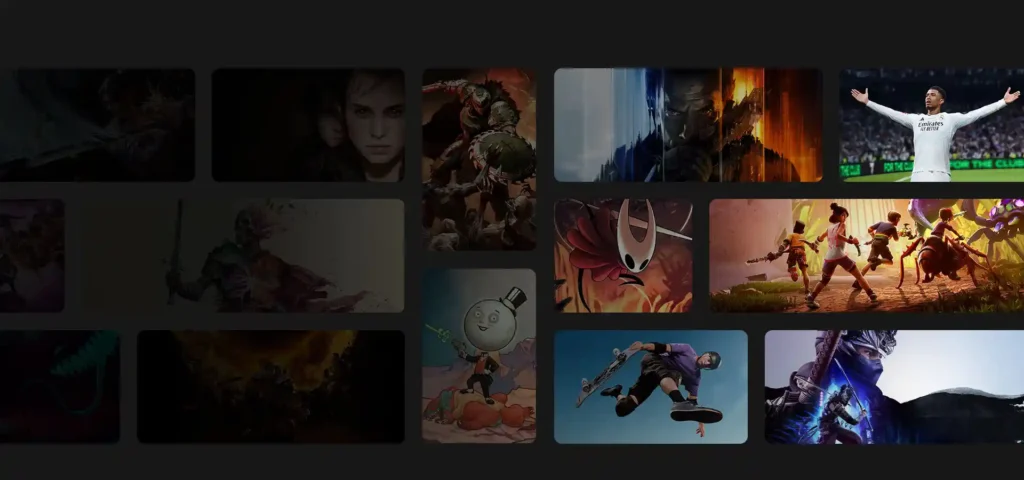
One of Game Pass’s strongest advantages over competitors lies in its platform flexibility. Microsoft has expanded the service far beyond traditional console gaming, embracing a play-anywhere philosophy that meets gamers wherever they prefer to engage.
Xbox Consoles: The Home Platform
Xbox Series X and Xbox Series S remain the native home for Game Pass, offering the most seamless experience. Every game in the service runs natively on these consoles, downloaded directly to the SSD for optimal performance. The Series X’s 4K gaming capabilities and Series S’s budget-friendly price point create an accessible entry point for the ecosystem.
Xbox One consoles retain full Game Pass support, though older hardware limits performance compared to current-generation systems. The Xbox One S and Xbox One X can still access the vast majority of titles, with some exceptions for games explicitly designed for Series hardware.
PC Gaming: The Growing Focus
Xbox on PC has become a strategic priority for Microsoft, reflected in Game Pass PC subscriber growth of 30% in Q2 2025 according to CEO Satya Nadella. The dedicated Xbox app for Windows provides access to hundreds of PC-optimized titles, many with features like ray tracing, ultra-wide monitor support, and higher frame rates.
However, PC Game Pass has faced criticism for technical issues. Games occasionally suffer from installation problems, missing features compared to Steam versions, and integration challenges with Windows. Microsoft has gradually improved the experience, but it hasn’t achieved parity with Steam’s polish and reliability.
Some games appear on console Game Pass but not PC Game Pass, creating confusion about availability. Ubisoft+ Classics titles, for instance, lack Xbox achievements on PC, frustrating completionists who track their gaming accomplishments across platforms.
Cloud Gaming: The Future Microsoft Is Building
Cloud gaming represents Microsoft’s long-term bet on gaming’s future, allowing subscribers to stream games without downloads to virtually any screen. As of Q2 2025, the service streamed a record 140 million hours, indicating growing adoption.
Cloud gaming works on smartphones, tablets, web browsers, smart TVs, and even VR headsets through supported apps. The October 2025 enhancement brought 1440p streaming quality to Ultimate subscribers, significantly improving visual fidelity compared to previous 1080p limits. Microsoft promises “best quality streaming and shortest wait times” for Ultimate members, creating a tiered cloud experience.
The technology requires strong internet connections, ideally 20+ Mbps for optimal performance. Input latency remains noticeable for competitive multiplayer games, though single-player experiences like RPGs and puzzle games translate well to cloud play. Cellular gaming on 5G networks has proven surprisingly viable, especially in markets like India, South Korea, and Brazil where mobile-first gaming dominates.
Microsoft’s infrastructure investment has paid dividends, with the company capturing 60% of the cloud gaming market according to Q1 2025 reports. Competitors like Sony and Nintendo lag significantly in this space, giving Xbox a meaningful advantage for players who value gaming flexibility.
Handheld Gaming PCs: The Surprise Beneficiary
The rise of devices like Steam Deck, ASUS ROG Ally, and Lenovo Legion Go has created an unexpected platform for Game Pass consumption. These Windows-based handheld PCs can install the Xbox app natively, providing portable access to the PC Game Pass library without relying on cloud streaming.
Performance varies by device and game, but many Game Pass titles run impressively well on handheld hardware. The ability to download games for offline play addresses one of cloud gaming’s core limitations, making these devices ideal for commuters, travelers, and anyone who games away from traditional setups.
Microsoft has embraced this ecosystem, with Phil Spencer frequently spotted using handheld PCs. The company hasn’t released its own gaming handheld, instead supporting the broader Windows handheld market as a rising tide that lifts all ships.
Smart Strategies to Maximize Value and Save Money on Game Pass
The $30 monthly price tag for Ultimate represents a significant commitment, especially for casual gamers. However, savvy subscribers can employ multiple strategies to reduce effective costs and extract maximum value from their memberships.
The Xbox Rewards Program: Free Money for Playing Games
Microsoft’s Xbox Rewards with Xbox program provides the most direct path to offsetting Game Pass costs. Ultimate subscribers can earn up to $100 annually (100,000 points globally) through gameplay alone, effectively reducing the net subscription price by $8 per month.
The enhanced rewards structure for Ultimate members includes 4x points on game and add-on purchases, 10% back in points on select Game Pass library titles and add-ons, and up to 20% off select Game Pass games. Aggressive engagement with quests, daily achievements, and targeted purchases can accumulate thousands of points monthly.
Microsoft Rewards extends beyond gaming, offering points for Bing searches, completing daily quizzes, and engaging with Microsoft services. Dedicated users report earning enough points to cover entire Game Pass subscriptions through consistent participation, though this requires daily engagement that not everyone finds worthwhile.
Regional availability of Xbox Rewards varies, with some features restricted to specific markets. US, UK, and select European countries receive the fullest implementations, while other regions face limitations. Checking local reward availability before banking on point accumulation prevents disappointment.
Timing Annual Subscriptions and Promotional Periods
Microsoft regularly discounts Game Pass during major shopping events like Black Friday, Cyber Monday, and holiday sales. Stacking 12-month subscriptions during these windows can secure year-long access at 30-40% discounts, dramatically improving value.
Third-party retailers like Amazon, CDKeys, and GameStop frequently offer Game Pass Ultimate codes below Microsoft Store prices. The October 2025 price increase saw GameStop selling one-month Ultimate codes at the old $20 price point, providing temporary relief for subscribers unwilling to accept the increase immediately.
Currently, Microsoft has eliminated annual subscription options for new subscribers, likely to prevent users from locking in lower rates before price increases. However, gift card stacking and prepaid codes purchased during sales still allow extended subscriptions at better values.
The Xbox Live Gold Conversion Strategy (If It Still Exists)
Historically, one of Game Pass’s best-known value hacks involved converting Xbox Live Gold subscriptions to Game Pass Ultimate at favorable ratios. Subscribers could purchase up to three years of Gold at $60 annually, then convert the entire stack to Ultimate for $1, securing 36 months of premium service for approximately $181 instead of $720.
Microsoft has progressively closed these loopholes, transitioning Gold subscribers to Essential and eliminating the $1 upgrade promotion. As of October 2025, the conversion strategy no longer works as cleanly as it once did, though occasional promotional windows still emerge.
Patient bargain hunters monitor deal aggregation sites for conversion opportunities, knowing Microsoft occasionally relaunches promotions to drive subscriber growth. The company’s history suggests future promotional periods will arrive, though likely with tighter restrictions.
Family Sharing and Account Management
Xbox’s Home Console setting allows multiple accounts on the same device to share Game Pass benefits from a single subscription. Setting one Xbox as your home console enables family members to access your Game Pass library even when you’re signed in elsewhere, effectively multiplying value.
This feature works particularly well for households with multiple gamers, couples, or roommates sharing living spaces. One Ultimate subscription can serve 2-3 active players simultaneously, reducing per-person costs substantially.
Microsoft tested Family Game Pass plans in select markets during 2024, with 70% satisfaction rates among participating households. These plans, which allow multiple accounts to share one subscription across different consoles, haven’t launched globally as of October 2025. If and when family plans become widely available, the value calculation for multi-gamer households will shift dramatically.
Canceling and Resubscribing Strategically
Game Pass doesn’t penalize subscribers for canceling and resubscribing monthly. Players can subscribe for specific game releases, binge through their most-wanted titles, then cancel until the next must-play launch.
This strategy works particularly well around major releases. Subscribing in November 2025 specifically for Call of Duty: Black Ops 7, playing intensively for a month, then canceling until Fable releases costs far less than maintaining year-round subscriptions. The approach requires discipline and tolerance for missing out on spontaneous gaming opportunities.
Microsoft combats churn by launching multiple attractive titles simultaneously, making any given month feel valuable. The company’s improving first-party release cadence in 2025 has reduced obvious cancellation windows, though subscriber flexibility remains intact.
The Real Cost Analysis: Is Xbox Game Pass Actually Worth It in 2025?
The ultimate question facing prospective and current subscribers alike: does Xbox Game Pass deliver value that justifies its cost? The answer varies dramatically based on gaming habits, genre preferences, and individual circumstances.
Break-Even Mathematics for Different Gamer Types
An Xbox Game Pass Ultimate subscription costs $360 annually at the new $30 monthly rate. Essential costs $120 yearly, while Premium sits at $180. Understanding when these subscriptions pay for themselves compared to traditional game purchases requires honest assessment of consumption patterns.
Casual gamers who purchase 1-2 full-price games yearly ($140 total) don’t break even on Ultimate. These players benefit more from Essential’s $120 annual cost or simply buying specific games they’ll replay extensively. The value proposition weakens when subscription fees exceed purchase costs for games actually played.
Regular gamers playing 4-6 new releases annually ($280-420 in purchases) find Ultimate compelling if those games appear on Game Pass day one. However, if most desired games are third-party titles that never join the service, the subscription primarily provides access to a catalog of “nice to try” games rather than intentional purchases.
Hardcore enthusiasts playing 12+ games yearly ($840+ in traditional purchases) represent Game Pass’s ideal demographic. These players sample broadly, finish games relatively quickly, and constantly seek new experiences. For them, Ultimate’s $360 cost unlocks far more gaming than equivalent spending on individual purchases.
The calculation shifts when factoring bundled services. Subscribers already paying $12 monthly for Fortnite Crew effectively reduce Ultimate’s real cost to $18. Adding $5 monthly EA Play value (if utilized) drops the net increase to $13. Ubisoft+ Classics contributes another $8 in theoretical value. For players who actively engage with all bundled services, Ultimate’s sticker price obscures genuine value delivery.
The Opportunity Cost of Not Owning Games
Subscription skeptics frequently cite ownership concerns as Game Pass’s fundamental flaw. When games leave the service or subscriptions lapse, access disappears entirely. Unlike purchased games that remain playable indefinitely, subscribed content exists in perpetual rental status.
This limitation matters most for replay-focused gamers who return to favorites repeatedly over years. Someone who plays through Skyrim annually for a decade receives better value from a $20 purchase than perpetual subscriptions. Similarly, multiplayer games where players invest hundreds of hours become risky on Game Pass, as removal means losing access to time-invested progressions.
However, industry trends suggest most gamers don’t replay games as frequently as nostalgia suggests. Data indicates players accumulate vast backlogs of purchased games never finished, let alone replayed. For many, the fear of lost access proves less impactful than anticipated, with subscribers rarely returning to older games they’ve completed.
The 20% subscriber discount on games leaving Game Pass partially addresses ownership concerns. Players can trial games extensively, then purchase only those they’ll genuinely replay, potentially saving money compared to blind full-price purchases based on reviews alone.
Content Consumption Patterns and Play Styles
Individual play styles dramatically impact Game Pass value. Players who complete games quickly and constantly seek novelty thrive in the subscription environment. Those who spend months in single multiplayer games or replay favorites extensively gain less advantage.
Achievement hunters and completionists find Game Pass ideal for sampling diverse titles to expand gamertags. The rotating catalog encourages trying games outside comfort zones, potentially discovering unexpected favorites. However, the pressure to finish games before removal can create unwanted urgency rather than relaxation.
Patient gamers who wait for sales, never pay full price, and carefully curate purchases may find Game Pass unnecessary. If someone typically pays $20-30 for 18-month-old games on deep discount, Game Pass’s $360 annual cost for access to new releases doesn’t align with their patient purchasing philosophy.
Genre preferences also influence value perception. Subscribers passionate about Microsoft’s first-party strengths (shooters, RPGs, strategy games) receive better value than those primarily interested in genres Microsoft underserves. Fighting game enthusiasts, for instance, find fewer relevant titles on Game Pass compared to action-adventure fans.
The Sustainability Question and Future Concerns
Industry analysts continue debating whether Game Pass represents a sustainable business model or a loss-leader strategy Microsoft will eventually abandon. Former Bethesda VP Pete Hines recently stated that Game Pass is “worth nothing” without developers, highlighting tensions between subscription economics and developer compensation.
Microsoft reported Game Pass set quarterly revenue records in Q2 2025, suggesting financial viability. However, the company stopped disclosing subscriber counts after stagnation around 34 million, implying growth challenges. The October 2025 price increase signals Microsoft prioritizing revenue per user over subscriber acquisition, a common maturation phase for subscription services.
Several high-profile studio closures in 2024-2025 raised questions about Game Pass’s impact on developer sustainability. When games launch day one on subscriptions rather than generating launch sales, studios lose the traditional revenue spike that funds next projects. Microsoft offers upfront payments to compensate, but smaller studios sometimes struggle when games underperform expectations.
Long-term subscribers face uncertainty about future price increases. If Microsoft follows typical subscription trajectories, Ultimate could reach $40-50 monthly within 3-5 years, potentially pricing out many current supporters. The company’s willingness to implement a 50% increase overnight suggests aggressive monetization strategies ahead.
Common Questions About Xbox Game Pass Answered
Is Xbox Game Pass worth it in 2025?
Yes, for gamers who play 4+ new releases annually and utilize the subscription actively. The combination of day-one access to Microsoft exclusives, EA Play, Ubisoft+ Classics, and Fortnite Crew creates substantial bundled value. However, casual gamers playing 1-2 titles yearly should stick with Essential tier or traditional purchases.
The October 2025 price increase has made Ultimate less compelling for budget-conscious players. Premium ($15/month) now represents the sweet spot for regular gamers willing to wait several months for new releases. Essential serves ultra-casual multiplayer fans, while Ultimate targets hardcore enthusiasts who demand immediate access to everything.
How much does Xbox Game Pass cost now?
Xbox Game Pass Essential costs $10 per month, Premium runs $15 monthly, and Ultimate jumped to $30 per month as of October 1, 2025. The Ultimate price represents a 50% increase from the previous $20 rate, sparking significant community backlash and subscription cancellations.
Microsoft eliminated annual subscription options, forcing month-to-month commitments at current rates. However, prepaid codes purchased from third-party retailers during promotional periods can secure longer commitments at better values.
What games are currently on Xbox Game Pass?
Game Pass hosts 500+ games across Ultimate, 200+ on Premium, and 50+ on Essential. Current highlights include Call of Duty: Black Ops 7 (launching November 14), Blue Prince, Clair Obscur: Expedition 33, DOOM: The Dark Ages, and Hollow Knight: Silksong.
The October 2025 integration added 45+ Ubisoft titles including 13 Assassin’s Creed games, multiple Far Cry entries, Tom Clancy franchises, and Prince of Persia: The Lost Crown. EA Play provides additional sports titles like EA SPORTS FC, Madden NFL, and Star Wars games.
Microsoft maintains an updated game list at xbox.com/play, though the library rotates monthly with additions and departures. Typically, 5-10 games leave the service each month while 8-15 new titles arrive.
Can I share my Game Pass subscription?
Xbox’s Home Console feature allows account sharing on a single device. Setting one Xbox as your home console enables all accounts on that device to access your Game Pass library, even when you’re signed into a different Xbox elsewhere.
This works perfectly for households with multiple family members sharing one console. However, Microsoft doesn’t officially support account sharing across separate households, and the system requires one person to maintain the active subscription.
Family Game Pass plans tested in select markets during 2024 haven’t launched globally as of October 2025. If family plans eventually release worldwide, multiple accounts could officially share one subscription across different consoles, similar to Netflix’s family plans.
How does Xbox Game Pass compare to PlayStation Plus?
Game Pass offers day-one releases for Microsoft exclusives, while PlayStation Plus receives Sony first-party games months after launch. This fundamental difference makes Game Pass more appealing for players who value immediate access to new releases.
PlayStation Plus has more subscribers (51 million vs 37 million) and arguably stronger exclusive libraries due to Sony’s acclaimed single-player franchises. However, PS Plus Premium costs $18 monthly compared to Ultimate’s $30, positioning Sony’s service as more affordable.
Cloud gaming quality favors Xbox, with better streaming infrastructure and broader device support. PlayStation Plus restricts cloud gaming to Premium tier with less reliable performance. For players committed to either ecosystem, the native platform subscription delivers better value than the competitor.
Which Game Pass tier should I choose?
Choose Essential ($10/month) if you play casually, primarily engage with multiplayer games, and don’t care about new releases. This tier provides online functionality and a small curated library.
Select Premium ($15/month) if you play regularly but can wait 6-12 months for new Xbox exclusives. Premium’s 200+ game library offers substantial variety without Ultimate’s premium price.
Commit to Ultimate ($30/month) only if you play 6+ hours weekly, value day-one access to major releases, actively use Fortnite Crew or Ubisoft+ Classics, or game across multiple devices using cloud streaming. Ultimate makes sense for hardcore enthusiasts willing to pay for comprehensive access.
For most budget-conscious regular gamers, Premium represents the best value proposition after October 2025’s pricing changes.
How do I cancel Xbox Game Pass?
Cancel through the Xbox website by logging into your Microsoft account, navigating to Services & Subscriptions, selecting your Game Pass membership, and choosing Turn off recurring billing. Cancellation is immediate, with access continuing through your current paid period.
Alternatively, cancel through the Xbox console by pressing the Xbox button, navigating to Profile & system, selecting Settings, then Account, and choosing Subscriptions. Select your Game Pass tier and disable recurring billing.
Microsoft’s cancellation servers experienced significant load during October 1-2, 2025, following the price increase announcement, causing temporary access issues. The company has since stabilized infrastructure, but the overwhelming cancellation response highlighted subscriber frustration.
Does Xbox Game Pass work on PC?
Yes, Xbox Game Pass PC ($12/month standalone) and Ultimate both provide PC access through the Xbox app for Windows. Hundreds of games support PC gaming, though the PC library differs slightly from console offerings.
PC Game Pass has faced criticism for technical issues including installation problems, missing features compared to Steam versions, and occasional integration challenges. Microsoft continues improving the experience, but some PC gamers prefer Steam purchases for reliability.
Cloud gaming also works on PC through web browsers, allowing Ultimate subscribers to stream games without downloads. This option suits lower-end PCs that can’t run demanding games natively.
What day-one games are coming to Game Pass in 2025?
Confirmed day-one releases for late 2025 include Call of Duty: Black Ops 7 (November 14), The Outer Worlds 2 (October 29), Ninja Gaiden 4 (October 21), and several smaller indie titles throughout remaining months.
Major releases scheduled for 2026 without specific dates include Fable (Playground Games), South of Midnight (Compulsion Games), High on Life 2 (Squanch Games), and Gears of War: E-Day (The Coalition). Microsoft’s improving release cadence suggests 2026 will maintain the momentum established in 2025.
Third-party day-one additions vary monthly based on Microsoft’s partnerships. Recent indie highlights include Blue Prince, Hollow Knight: Silksong, and Deep Rock Galactic: Survivor, demonstrating Microsoft’s commitment to diverse content beyond blockbusters.
Is Game Pass profitable for Microsoft?
Microsoft reported Game Pass generated $5 billion in annual revenue and set quarterly revenue records in Q2 2025, suggesting financial viability. Xbox president Sarah Bond stated the service is profitable for both Microsoft and game creators.
However, the company stopped disclosing subscriber counts after growth stagnated around 34-37 million users, implying acquisition challenges. The October 2025 price increase signals Microsoft prioritizing revenue per subscriber over user growth, a common pattern when services mature.
Industry analysts debate long-term sustainability, noting the tension between day-one launches reducing game sales and the need for subscriptions to generate enough revenue supporting development costs. Former executives have expressed concerns about the model’s impact on developer compensation and studio stability.
The Future of Xbox Game Pass: What’s Coming Next
Microsoft’s gaming strategy centers increasingly on Game Pass as hardware sales decline and the company embraces multi-platform releases. Understanding where the service heads helps subscribers and prospective users evaluate long-term investment value.
Multi-Platform Expansion and Third-Party Console Support
Phil Spencer and other Microsoft executives have hinted at bringing Game Pass to competing platforms, though Sony and Nintendo show little interest in hosting a competitor’s subscription service. The October 2025 announcement positioning Game Pass as part of an “open gaming ecosystem” suggests Microsoft’s willingness to expand beyond Xbox hardware.
Several major Xbox exclusives have already launched on PlayStation 5, including Hi-Fi Rush, Sea of Thieves, and Grounded. Industry watchers speculate this represents the first wave of a broader platform-agnostic strategy, potentially paving the way for eventual Game Pass availability on PlayStation.
Technical and business challenges complicate this vision. Sony operates PlayStation Plus, which directly competes with Game Pass. Allowing Microsoft’s service on PlayStation would cannibalize Sony’s subscription revenue, creating a scenario where Sony actively undermines its own business model.
More realistic near-term expansion targets smart TVs, streaming devices, and additional cloud gaming platforms. Microsoft has partnered with Samsung for Game Pass apps on select televisions, eliminating console requirements entirely for cloud subscribers. Further partnerships could bring Xbox gaming to millions of screens worldwide.
Ad-Supported Tiers and Free-to-Play Models
Industry analysts predict Microsoft will eventually launch an ad-supported Game Pass tier, potentially free or significantly discounted. Tim Stuart, Microsoft’s CFO, mentioned exploring ad-based models, particularly for emerging markets where $30 monthly subscriptions exceed many consumers’ entertainment budgets.
An ad-supported tier could stream games with periodic commercial breaks, similar to free mobile games. This approach would expand Game Pass’s addressable market dramatically, potentially pushing subscriber counts toward the 50 million milestone that has eluded Microsoft.
Regional testing would likely precede global rollouts, with Microsoft targeting markets like India, Brazil, and Southeast Asia where price sensitivity runs high. These experiments could shape whether ad-based gaming subscriptions represent viable future revenue streams or user experience disasters that tank engagement.
Integration with AI and Cloud Gaming Advances
Microsoft’s substantial AI investments through OpenAI partnerships will inevitably influence Game Pass evolution. Potential applications include AI-powered game recommendations learning individual preferences, dynamic difficulty adjustments improving accessibility, and even AI-generated content expanding game longevity.
Cloud gaming technology continues improving, with latency reductions and visual fidelity enhancements making streaming increasingly viable for competitive gaming. The October 2025 upgrade to 1440p streaming represents one step in Microsoft’s journey toward indistinguishable cloud versus native experiences.
5G network expansion globally will accelerate cloud gaming adoption, particularly in mobile-first markets where console penetration remains low. Microsoft’s cloud infrastructure advantage positions Game Pass to capture these emerging demographics before competitors establish footholds.
Content Strategy and Studio Acquisitions
Microsoft owns 23+ game development studios following its Activision Blizzard and Bethesda acquisitions, providing content firepower few competitors can match. The company’s ability to deliver consistent first-party releases determines Game Pass’s long-term viability.
2025’s strong release cadence, featuring critically acclaimed titles like Blue Prince and Clair Obscur: Expedition 33, demonstrates the strategy bearing fruit after years of development. However, maintaining this momentum requires continued investment in studio capacity and avoiding the closures that plagued 2024.
Future acquisition speculation focuses on publishers with large back catalogs and established franchises. Potential targets include Take-Two (unlikely given market cap), Sega (frequently rumored), or mid-sized publishers struggling independently. Each acquisition would immediately boost Game Pass’s library and subscriber appeal.
Pricing Trajectory and Tier Evolution
The October 2025 price increase likely represents one of many future adjustments as Microsoft seeks profitability. Industry patterns suggest subscription services increase prices 10-20% annually once established, implying Ultimate could reach $40-50 monthly within 3-5 years.
Microsoft may introduce additional tiers targeting specific demographics. A student discount tier, genuinely family-focused plans, or even game-specific bundles (Call of Duty only, RPG focused, etc.) could segment markets more precisely than current broad categories.
The company must balance revenue growth against subscriber retention, a delicate equilibrium tested by every price increase. Excessive costs drive cancellations, reducing network effects that make services valuable. Finding sustainable pricing that maximizes long-term revenue without triggering mass exodus defines Microsoft’s challenge ahead.
Final Verdict: Should You Subscribe to Xbox Game Pass in 2025?
After examining every angle of Xbox Game Pass following its October 2025 transformation, the verdict depends entirely on individual circumstances, gaming habits, and budget constraints.
Xbox Game Pass Ultimate at $30 monthly remains worthwhile for hardcore gamers who play extensively, value day-one access to major releases, and actively utilize bundled services like Fortnite Crew and Ubisoft+ Classics. For these enthusiasts, the comprehensive access justifies premium pricing, especially when leveraging Xbox Rewards to offset costs.
However, the service has lost its “best deal in gaming” crown that defined its early years. The 50% price increase fundamentally altered the value proposition, making Ultimate a premium product rather than an accessible gateway. Casual gamers and budget-conscious players should explore Essential or Premium tiers, which maintain reasonable pricing for more limited access.
Premium ($15/month) emerges as the new sweet spot for regular gamers willing to wait several months for new releases. The 200+ game library provides substantial variety, while the lower price point delivers better cost-benefit ratios for players who don’t demand immediate access to every launch.
Essential ($10/month) serves ultra-casual multiplayer fans who need online functionality and occasional gaming but don’t consume content voraciously. This tier prevents overspending on gaming while maintaining basic access.
Traditional game purchases still make sense for selective players who replay favorites extensively, prefer ownership over rental, and carefully curate collections. Game Pass doesn’t eliminate the need for purchases; it supplements them, providing access to experimental titles and games you might not buy but enjoy trying.
The service’s long-term sustainability questions and Microsoft’s aggressive monetization trajectory warrant caution about multi-year commitments. Month-to-month subscriptions provide flexibility to adjust as pricing evolves and content quality fluctuates.
Ultimately, Xbox Game Pass in 2025 remains a powerful gaming platform delivering substantial value for the right subscribers. It’s no longer the revolutionary steal it once represented, but for players whose habits align with its strengths, the service continues offering compelling access to gaming’s broadest, most diverse library.
The question isn’t whether Game Pass delivers value in absolute terms. It’s whether that value matches your specific gaming needs at the current price point. Answer honestly, and the right choice becomes clear.
About This Guide: This comprehensive analysis draws from official Microsoft announcements, industry reports, subscriber statistics through Q1 2025, and extensive research into gaming subscription economics. All pricing and features reflect Game Pass’s structure as of October 2025 and may change as Microsoft continues evolving the service. We update this guide regularly to maintain accuracy as the subscription landscape shifts.