

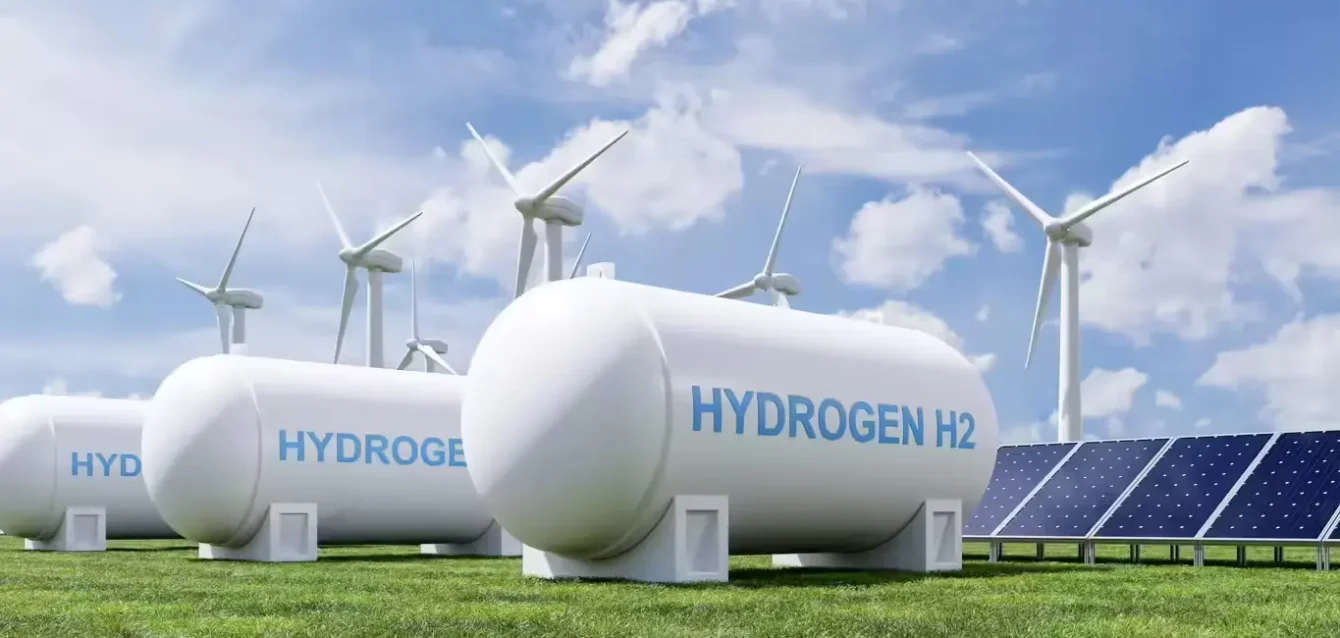
Hydrogen Infrastructure Development 2026
TL;DR: Hydrogen infrastructure is undergoing a historic transformation with $600 billion in committed investments globally. By 2026, Europe will deploy 9,040 km of hydrogen pipelines, the US will operationalize seven regional hydrogen hubs with $16 billion in funding, and Asia-Pacific will lead with 780 MW of electrolyzer capacity already operational. This comprehensive analysis examines the infrastructure buildout defining 2026, investment patterns across regions, technical breakthroughs in storage and transport, and the regulatory frameworks accelerating deployment. Current data shows only 7% of announced projects have reached final investment decisions, creating both risks and opportunities for stakeholders navigating this $27.2 billion pipeline infrastructure market.
The hydrogen economy has reached an inflection point. What was theoretical speculation five years ago has crystallized into operational infrastructure, multi-billion dollar projects, and concrete deployment timelines. The year 2026 represents the first major milestone where clean hydrogen moves from demonstration projects to industrial-scale implementation across transportation, power generation, and heavy industry.
According to the International Energy Agency’s 2025 Global Hydrogen Review, global hydrogen demand reached 100 million tonnes in 2024, growing 2% year-over-year. More significantly, low-emissions hydrogen production is projected to cross the 1 million tonne threshold in 2025, representing exponential growth despite accounting for less than 1% of total production. This disparity between conventional and clean hydrogen production highlights the infrastructure challenge ahead.
The infrastructure gap remains the primary bottleneck preventing hydrogen’s mainstream adoption. While production announcements total 48 million tonnes per annum of clean hydrogen capacity through 2030, the physical infrastructure to store, transport, and deliver this hydrogen to end-users lags significantly behind. Pipeline networks, storage facilities, refueling stations, and port bunkering infrastructure must scale simultaneously with production to avoid stranded assets and project cancellations.
The Global Infrastructure Landscape Taking Shape
Regional approaches to hydrogen infrastructure reveal divergent strategies reflecting local energy priorities, industrial structures, and policy frameworks. Europe leads in coordinated network planning, North America emphasizes hub-based development, and Asia-Pacific focuses on rapid electrolyzer deployment and import infrastructure.
Europe’s Integrated Network Strategy
Europe has adopted the most ambitious coordinated infrastructure approach globally. The European Hydrogen Backbone initiative, uniting 33 gas infrastructure operators, aims to establish a 40,000 km pan-European hydrogen pipeline network by 2040. The strategy leverages existing natural gas infrastructure through repurposing, significantly reducing capital expenditure compared to greenfield construction.
Germany leads European deployment with a EUR 24 billion loan from KfW financing the development of 9,040 km of hydrogen network infrastructure. The first 525 km, primarily repurposed natural gas pipelines, is scheduled for completion in 2025, positioning Germany as the continental hydrogen transport backbone. This infrastructure will connect industrial clusters in the Ruhr Valley with hydrogen production facilities in coastal wind-rich regions and solar-abundant southern areas.
The Netherlands began construction of the first 30 km of its hydrogen backbone in October 2024, part of a planned 1,200 km network. Dutch infrastructure operator Gasunie is coordinating with Belgian and German counterparts to ensure cross-border interoperability, creating the foundation for a truly integrated European hydrogen market.
France is pursuing a parallel strategy combining backbone infrastructure with localized production. GRTgaz, France’s leading gas transmission operator managing over 32,500 km of pipelines, generated USD 2.6 billion in revenues in 2024 with significant allocation toward hydrogen pilot networks including MOSAIC and Jupiter 1000. The company aims to develop 20,000 km of hydrogen-ready pipelines by 2040, positioning France as a critical link between Iberian renewable hydrogen production and central European demand centers.
Spain’s Enagas announced in February 2025 plans to invest USD 4.7 billion by 2030, with USD 3.67 billion earmarked specifically for hydrogen infrastructure. This investment underscores Spain’s strategic positioning as a renewable hydrogen production hub, leveraging abundant solar resources in Andalusia and wind capacity in Galicia to supply northern European industrial users.
Infrastructure modeling from Nature Communications research indicates that Europe will trade 414-596 TWh of hydrogen annually by 2050 depending on import scenarios, with large central-western European consumption centers demanding approximately 50% of traded volumes. This necessitates substantial pipeline capacity connecting production peripheries with demand cores, particularly the industrial heartlands of Germany, Belgium, and the Netherlands.
North America’s Hub-Centric Model
The United States has adopted a hub-based infrastructure development model anchored in the $16 billion regional hydrogen hub program established through the 2021 Infrastructure Investment and Jobs Act. Seven regional hubs were selected in 2023, each designed to create localized hydrogen ecosystems integrating production, storage, distribution, and end-use applications.
The California hub, ARCHES (Alliance for Renewable Clean Hydrogen Energy Systems), received $1.2 billion in federal funding and is projected to generate $11.2 billion in private investment. California’s existing infrastructure provides a foundation, with 74 operational hydrogen fueling stations as documented by the Alternative Fuels Data Center, representing the most developed retail hydrogen network globally. However, station reliability challenges and supply disruptions in 2024 highlighted infrastructure vulnerabilities requiring resolution before large-scale fleet adoption.
Toyota’s 2025 Hydrogen and Fuel Cell Seminar revealed significant private sector infrastructure commitments. The company installed a 1-megawatt proton exchange membrane fuel cell power generation system at the National Renewable Energy Laboratory in Colorado. At the Port of Long Beach, Toyota constructed a first-of-its-kind Tri-gen system with FuelCell Energy, converting directed renewable biogas to hydrogen and producing 2.3 megawatts of electricity daily. This integrated approach combining production, power generation, and vehicle processing demonstrates the industrial-scale applications driving US infrastructure development.
The Gulf Coast hub focuses on leveraging existing petrochemical infrastructure and natural gas resources for blue hydrogen production with carbon capture. This approach allows rapid scaling by retrofitting established facilities rather than building entirely new infrastructure, though it maintains fossil fuel dependency during the transition period.
Asia-Pacific’s Production and Import Infrastructure
China leads global hydrogen deployment with 780 MW of cumulative electrolyzer capacity operational as of 2023 and more than 9 GW at advanced development stages according to IEA data. This production capacity requires corresponding infrastructure for industrial distribution, particularly connecting chemical production facilities and steel manufacturing plants with hydrogen supply.
Japan’s hydrogen strategy, targeting a “hydrogen society” by 2050, emphasizes import infrastructure development. The country aims to use hydrogen for 10% of electricity generation and is investing heavily in port bunkering facilities, liquefied hydrogen carriers, and ammonia import terminals. Major trading houses including Mitsubishi Corporation and Mitsui & Co. are partnering with Australian and Middle Eastern producers to establish long-distance hydrogen supply chains.
Southeast Asia’s hydrogen demand reached 4 million tonnes per annum in 2024, dominated by Indonesia (35%), Malaysia, Vietnam, and Singapore. Nearly 50% of demand comes from ammonia production, with refining and methanol production accounting for the remainder. Port infrastructure is developing rapidly, with over 30 major ports within 400 km of announced low-emissions hydrogen production projects exceeding 100 kilotonnes per annum capacity.
Australia is positioning itself as a renewable hydrogen exporter, leveraging vast solar and wind resources. Multiple projects are developing export infrastructure including liquefaction facilities, shipping terminals, and pipeline connections from production sites to coastal export hubs. The Pilbara region in Western Australia is emerging as a hydrogen production center, requiring extensive infrastructure connecting remote renewable energy projects with port facilities.
Pipeline Infrastructure: The Arterial Network
Pipeline networks represent the most cost-effective method for transporting large hydrogen volumes over medium distances. The IEA analysis confirms pipelines provide optimal economics for capacities above 200 kilotonnes per year over distances up to 2,500-3,000 km, particularly when repurposing existing natural gas infrastructure.
Approximately 5,000 km of dedicated hydrogen pipelines already operate globally, primarily owned by private companies connecting industrial users. These existing networks serve as proof-of-concept for expanded infrastructure, demonstrating technical feasibility and operational reliability. However, scaling from 5,000 km to the projected 40,000+ km needed in Europe alone by 2040 requires unprecedented investment and coordination.
The hydrogen pipeline market was valued at $154.7 million in 2024 and is projected to reach $27.2 billion by 2035, representing a compound annual growth rate of 60%. This explosive growth reflects the transition from niche industrial applications to economy-wide hydrogen distribution networks.
Pipeline infrastructure development faces several technical challenges. Hydrogen embrittlement, where hydrogen atoms penetrate steel and weaken molecular bonds, requires either specialized steel grades, internal coatings, or polymer liners. Companies like Swedish startup TERRABARRIER are developing advanced coating technologies specifically addressing embrittlement and hydrogen penetration in critical infrastructure including storage tanks and pipelines. These innovations improve system longevity and safety while reducing leakage risks and material degradation.
Repurposing natural gas pipelines offers significant cost advantages, reducing capital expenditure by 50-80% compared to new construction. However, not all existing pipelines are suitable for hydrogen service. Assessment criteria include pipe material composition, wall thickness, operating pressure history, and proximity to population centers. The European Hydrogen Backbone initiative estimates that 60-70% of planned hydrogen pipeline routes will utilize repurposed natural gas infrastructure.
Germany’s 525 km initial hydrogen network, predominantly repurposed pipelines, demonstrates this approach at scale. The infrastructure will operate at pressures up to 100 bar, requiring upgraded compression stations and modified valve systems. Testing protocols developed during this deployment will establish technical standards applicable to subsequent European projects.
Cross-border pipeline infrastructure presents additional complexity beyond technical engineering. Regulatory harmonization, capacity allocation mechanisms, and tariff structures require international coordination. The European Union’s hydrogen market design discussions are addressing these issues, developing frameworks ensuring non-discriminatory third-party access and preventing infrastructure bottlenecks at borders.
Storage Solutions: Balancing Supply and Demand
Hydrogen storage infrastructure is essential for managing the intermittency of renewable energy sources powering electrolysis and accommodating fluctuating demand patterns. Storage technologies span multiple scales from vehicle-integrated tanks to massive underground geological formations.
Underground Storage Facilities
Large-scale geological storage represents the most economical solution for seasonal hydrogen balancing and strategic reserves. Salt caverns, depleted natural gas fields, and aquifers can store massive hydrogen volumes with relatively low capital costs per kilogram stored. Salt caverns offer particular advantages including impermeability, proven containment performance, and rapid injection/withdrawal rates.
Germany’s storage capacity development illustrates the scale possible with geological formations. Several salt cavern projects are advancing through permitting, collectively targeting multi-terawatt-hour storage capacity. These facilities will enable Germany to store summer renewable hydrogen production for winter demand, mitigating the seasonal mismatch between solar/wind generation and heating/industrial consumption patterns.
The United States possesses extensive underground storage potential, particularly in Gulf Coast salt domes and Midwest depleted gas fields. However, regulatory frameworks for hydrogen storage lag behind European development. The Department of Energy’s Hydrogen Infrastructure Technologies program allocated $52 million in fiscal year 2025, with $22 million directed toward hydrogen storage research including bulk sub-surface storage characterization.
Compression and Liquefaction Infrastructure
Above-ground storage primarily utilizes high-pressure compression or cryogenic liquefaction. Compression systems, typically operating at 350-700 bar, dominate current refueling station infrastructure and industrial applications. The compression segment accounted for the largest market share in 2021, growing at 10.1% CAGR according to market analyses.
Liquefaction enables higher density storage and long-distance transport but requires significant energy input, typically 30-40% of hydrogen’s energy content. Advances in liquefaction efficiency are critical for improving overall system economics. Several projects are deploying large-scale liquefaction facilities, particularly for export applications where shipping economics favor liquid hydrogen despite energy penalties.
Cryogenic storage also presents material challenges. At -253°C, hydrogen liquefaction requires specialized materials resistant to thermal cycling and embrittlement at cryogenic temperatures. Ongoing research through the Hydrogen Materials Advanced Research Consortium (HyMARC) is investigating advanced insulation systems, improved tank designs, and novel materials reducing boil-off losses and improving storage duration.
Materials-Based Storage
Solid-state hydrogen storage using metal hydrides, chemical hydrides, or advanced materials offers potential advantages including lower pressures, enhanced safety, and higher volumetric density. However, these technologies remain predominantly in research and demonstration phases, with limited commercial deployment.
Canadian startup Hydrogen in Motion is developing nanomaterial-based storage containers manufacturable in flexible shapes, enabling integration into diverse vehicle platforms and space-constrained applications. These systems could address challenges in heavy-duty trucks, maritime vessels, and aviation where volumetric constraints limit compressed gas storage effectiveness.
Materials-based storage research focuses on improving gravimetric density (hydrogen mass relative to storage system mass), operating temperature ranges, and charge/discharge kinetics. The Department of Energy’s targets specify 5.5 weight percent system gravimetric capacity by 2025, driving research toward advanced metal-organic frameworks, complex hydrides, and nanostructured materials.
Refueling Infrastructure: The Consumer Interface
Hydrogen refueling stations represent the consumer-facing infrastructure layer, analogous to gasoline stations for conventional vehicles. Station deployment directly enables fuel cell electric vehicle adoption, creating the classic “chicken-and-egg” dilemma where vehicle sales depend on refueling availability and station investment depends on vehicle populations.
The Alternative Fuels Data Center reports 74 operational hydrogen fueling stations across the United States as of late 2024, with 62 in California representing 84% of national infrastructure. This concentration reflects California’s zero-emission vehicle mandates and early adoption incentives. However, station reliability has proven problematic, with multiple stations experiencing extended outages in 2024 due to supply chain disruptions and technical issues.
California’s goal of 100 hydrogen stations supporting 1.5 million zero-emission vehicles by 2025 faces significant delays. The California Energy Commission’s 2023 assessment indicates station development is behind schedule, partly due to equipment supply constraints, permitting delays, and hydrogen supply reliability concerns.
Europe’s station network, while less concentrated than California’s, demonstrates more geographically distributed deployment. Germany leads with over 90 operational stations, supported by the H2Mobility joint venture between automotive manufacturers, gas suppliers, and fuel retailers. The German government’s target of 400 stations by 2025, part of the National Innovation Programme Hydrogen and Fuel Cell Technology (NIP), aims to provide nationwide coverage with stations accessible within 10 minutes for most residents.
Station economics remain challenging. Capital costs for 700-bar refueling stations range from $1.5-3 million depending on capacity and configuration. Ongoing research funded by the Department of Energy’s Hydrogen Infrastructure Technologies program is developing reference station designs for heavy-duty vehicle refueling, addressing higher throughput requirements and different pressure/volume trade-offs compared to light-duty passenger vehicle stations.
Heavy-duty hydrogen refueling infrastructure is emerging as a distinct market segment. Trucks, buses, and industrial vehicles require higher hydrogen volumes per refueling event and different operational patterns compared to passenger cars. Several pilot projects are deploying truck-focused stations with 350-bar fueling at higher flow rates, optimized for commercial fleet operations with predictable routing and centralized refueling.
Toyota’s demonstration of an 1,800-mile range for a hydrogen-powered heavy-duty truck in December 2024 validates the technology’s viability for long-haul applications. However, enabling nationwide truck adoption requires corridor-based refueling infrastructure with stations spaced appropriately for commercial routing patterns, representing a multi-billion dollar infrastructure requirement.
Port Infrastructure: Maritime Hydrogen Ecosystem
Shipping decarbonization is driving hydrogen infrastructure development at ports globally. The International Maritime Organization’s emissions reduction targets are accelerating interest in hydrogen-based marine fuels including direct hydrogen, ammonia, and methanol produced from hydrogen.
The IEA’s analysis identifies nearly 80 ports with well-developed chemical product handling expertise, indicating strong readiness to handle hydrogen-based fuels. These ports are widely distributed globally and include some of the world’s largest including Rotterdam, Singapore, and Ain Sokhna in Egypt. More than 30 of these ports have access to at least 100 kilotonnes per annum of low-emissions hydrogen supply from announced projects within 400 km proximity.
Bunkering infrastructure development is accelerating fastest for methanol, with more than 60 methanol-powered vessels operational and nearly 300 on order books as of June 2025. Methanol’s compatibility with existing port infrastructure and handling procedures allows faster deployment compared to ammonia or direct hydrogen. However, ammonia bunkering infrastructure is advancing for applications where energy density requirements exceed methanol’s capabilities.
Port of Rotterdam, Europe’s largest port, is developing comprehensive hydrogen infrastructure including import terminals, storage facilities, pipeline connections to industrial clusters, and bunkering capabilities. The port’s strategy positions Rotterdam as the hydrogen gateway to Europe, importing hydrogen from production regions with lower renewable energy costs while serving Dutch and German industrial demand.
Singapore, handling approximately 20% of global marine fuel demand, is investing in hydrogen-based fuel infrastructure to maintain its position as a leading bunkering hub. The port authority is collaborating with energy companies including Shell and TotalEnergies to develop ammonia and methanol bunkering facilities, with initial capabilities targeted for 2026-2027.
Australia’s port infrastructure development focuses on export capabilities. Ports in Western Australia and Queensland are developing hydrogen export terminals, liquefaction facilities, and loading infrastructure for shipping hydrogen to Asian markets. These projects integrate with renewable energy production facilities and require substantial capital investment in novel infrastructure without existing analogues in the fossil fuel export sector.
Production Infrastructure: Electrolyzers and Beyond
Clean hydrogen production infrastructure encompasses electrolyzers for green hydrogen, steam methane reforming with carbon capture for blue hydrogen, and emerging technologies including methane pyrolysis and biological production.
Electrolyzer Deployment and Manufacturing
Global electrolyzer manufacturing capacity has expanded dramatically, though overcapacity concerns emerged in 2024-2025 as project timelines extended. Electrolyzer costs increased approximately 50% between 2021 and 2024 contrary to anticipated cost reduction curves, creating economic headwinds for project developers.
Despite cost challenges, electrolyzer deployment continues advancing. Spherical Insights data indicates the global green hydrogen market is projected to grow from $7.67 billion in 2024 to $328.4 billion by 2035 at a 40.71% compound annual growth rate. This growth requires massive electrolyzer deployment, with gigawatt-scale projects advancing through development pipelines globally.
Major electrolyzer manufacturers including Nel ASA, Siemens Energy, ITM Power, Plug Power, and numerous Chinese producers are scaling manufacturing capacity. China dominates production volumes, leveraging low-cost manufacturing capabilities and domestic market demand. However, technology leadership remains distributed, with European and North American companies maintaining advantages in efficiency, durability, and large-scale systems.
Proton exchange membrane (PEM) and alkaline electrolyzers represent the dominant commercial technologies. PEM systems offer advantages including higher power density, faster response to variable renewable energy input, and compact footprint. Alkaline electrolyzers provide lower capital costs and longer operational lifespans. Solid oxide electrolyzers, operating at high temperatures with superior efficiency, remain primarily in demonstration phases but show promise for industrial applications with waste heat availability.
The Department of Energy selected 52 projects across 24 states in 2024 to develop and demonstrate electrolyzer technologies and advance manufacturing and recycling processes for hydrogen production components. These projects target cost reductions, efficiency improvements, and domestic supply chain development for critical materials including iridium and platinum group metals used in PEM electrolyzers.
Blue Hydrogen Infrastructure
Blue hydrogen, produced from natural gas with carbon capture and storage, represents a transitional pathway leveraging existing infrastructure. Retrofitting steam methane reforming facilities with carbon capture requires significant capital investment but avoids the complete infrastructure replacement needed for green hydrogen in the near term.
Several large-scale blue hydrogen projects are advancing, particularly in regions with established petrochemical industries and carbon storage potential. The Gulf Coast region in the United States is developing blue hydrogen hubs, utilizing existing steam methane reforming capacity at refineries and chemical plants while constructing carbon capture and pipeline infrastructure to sequestration sites.
Critics argue blue hydrogen perpetuates fossil fuel dependence and raises concerns about methane emissions across natural gas supply chains. Life cycle analyses show significant variability in blue hydrogen’s carbon intensity depending on methane leakage rates, carbon capture efficiency, and energy requirements for capture systems. The Nature Communications study identifies potential lock-in effects where medium-term blue hydrogen deployment could delay green hydrogen scaling and prolong fossil fuel infrastructure dependence.
Emerging Production Technologies
Several novel hydrogen production approaches could disrupt the current electrolyzer-dominated green hydrogen paradigm. Methane pyrolysis splits natural gas into hydrogen and solid carbon without producing CO2 emissions. Multiple companies including Monolith Materials and BASF are scaling this technology, which could provide lower-cost hydrogen than electrolysis while producing valuable carbon black as a byproduct.
German startup Green Hydrogen Technology is converting non-recyclable plastic waste, wood waste, and sewage sludge into high-purity hydrogen through gasification processes. This approach addresses waste management challenges while producing hydrogen without requiring renewable electricity or natural gas feedstocks.
Photoelectrochemical and photocatalytic systems that directly produce hydrogen from sunlight and water remain in early research stages but offer theoretical advantages including eliminating separate solar panels and electrolyzers. Universities including MIT, Stanford, and Cambridge are advancing fundamental research potentially leading to breakthrough technologies in the 2030s.
Investment Landscape and Economic Dynamics
Hydrogen infrastructure investment has reached unprecedented levels while facing significant headwinds including project delays, cost overruns, and financing challenges.
Capital Flows and Project Status
Global committed investments in hydrogen projects total approximately $600 billion according to the Hydrogen Council’s 2024 Hydrogen Insights report. However, only 7% of announced projects have reached final investment decision (FID), highlighting the gap between announcements and actual deployment.
Investment distribution shows strong regional variations. China leads in committed projects, followed by North America and Europe. China’s 780 MW of operational electrolyzer capacity and 9+ GW in advanced development stages represents approximately $10-15 billion in committed capital. Europe’s pipeline infrastructure investments exceed $30 billion when including Germany’s EUR 24 billion hydrogen network and complementary investments across France, Netherlands, Spain, and other nations.
North America’s $16 billion federal commitment to regional hydrogen hubs is leveraging substantial private sector matching funds. The seven selected hubs project total investments exceeding $50 billion when including private sector contributions, though actual FID-stage projects represent a fraction of announced totals.
The Middle East is emerging as a significant investor, particularly in export-oriented green hydrogen projects. Saudi Arabia’s NEOM project, targeting 600 tonnes per day of green hydrogen production using 4 GW of renewable energy by 2026, represents a multi-billion dollar investment. All output is committed to green ammonia production under a 30-year off-take agreement, demonstrating the project structuring required for infrastructure financibility.
Cost Economics and Competitiveness
Hydrogen production costs remain the primary economic challenge. Green hydrogen currently costs $2.28-7.39 per kilogram depending on renewable electricity costs, electrolyzer capital expenses, and capacity factors. This compares unfavorably with grey hydrogen at $0.67-1.31 per kilogram, creating a significant green premium.
The Department of Energy’s Hydrogen Energy Earthshot targets $1 per kilogram green hydrogen production costs within a decade, summarized as “1-1-1” (one dollar, one kilogram, one decade). Achieving this target requires simultaneous reductions in renewable electricity costs, electrolyzer capital expenses, and improved capacity factors through better renewable energy integration.
Policy support mechanisms are critical for closing the cost gap. The United States’ Inflation Reduction Act provides up to $3 per kilogram production tax credit (45V) for clean hydrogen meeting carbon intensity thresholds below 0.45 kilograms CO2 per kilogram hydrogen. This uncapped, ten-year credit dramatically improves project economics, making green hydrogen competitive with grey hydrogen in many applications when combined with favorable renewable electricity costs.
Europe’s approach emphasizes contracts for difference, carbon contracts for difference, and direct capital grants. The European Hydrogen Bank launched two auctions in 2024 totaling EUR 1.9 billion (approximately $2 billion) supporting hydrogen project deployment. These mechanisms provide revenue certainty enabling project financing while avoiding technology-specific mandates.
Infrastructure costs compound production cost challenges. Transportation adds $0.50-2.00 per kilogram depending on distance and mode. Storage infrastructure represents significant capital expenditure with costs varying widely based on technology. Refueling stations require $1.5-3 million capital investment, necessitating high utilization rates for economic viability.
Financing Structures and Risk Mitigation
Hydrogen infrastructure projects face financing challenges due to technology risk, demand uncertainty, and asset stranding concerns. Traditional project finance structures struggle with hydrogen’s nascent market, requiring innovative approaches and public sector risk sharing.
Off-take agreements are essential for securing project financing. Long-term contracts with creditworthy counterparties provide revenue certainty enabling debt financing. The NEOM project’s 30-year ammonia off-take exemplifies this structure. However, many potential hydrogen users hesitate to commit to long-term contracts given price uncertainty and technology evolution.
Government guarantees, concessional loans, and first-loss capital structures are addressing financing gaps. Germany’s KfW loan for hydrogen pipeline infrastructure demonstrates public sector willingness to de-risk early investments. The European Investment Bank and other development finance institutions are developing hydrogen-specific funding facilities.
Export credit agencies are increasingly supporting hydrogen infrastructure, particularly for equipment manufacturing and international projects. These agencies can provide competitive financing terms and political risk coverage, crucial for capital-intensive infrastructure with long development timelines.
Regulatory Frameworks and Standards Development
Regulatory environments significantly impact hydrogen infrastructure development rates and configurations. Permitting processes, safety standards, and market design rules determine project feasibility and timelines.
Safety Codes and Standards
Hydrogen’s physical properties including wide flammability range, low ignition energy, and small molecular size require specific safety considerations. Comprehensive codes and standards are essential for safe infrastructure deployment and public acceptance.
The International Organization for Standardization (ISO) and national bodies including the American Society of Mechanical Engineers (ASME) and European Committee for Standardization (CEN) are developing hydrogen-specific standards. These cover materials compatibility, pressure vessel design, leak detection systems, and safety distances.
Ongoing research funded through the Department of Energy’s Safety, Codes and Standards program is generating data supporting standards development. This includes materials testing under hydrogen service conditions, dispersion modeling for leak scenarios, and ignition probability studies.
Harmonized international standards facilitate equipment and technology transfer across borders while ensuring consistent safety levels. Industry collaborations including those highlighted by Toyota executives at the 2025 Hydrogen and Fuel Cell Seminar emphasize developing common fueling connection standards and protocols, recognizing that industry-wide standards provide greater benefits than competitive advantages from proprietary systems.
Certification and Guarantees of Origin
Clean hydrogen certification systems are essential for verifying emissions reductions and accessing policy incentives. However, global certification frameworks remain fragmented, creating barriers for international trade and policy compliance.
The European Union adopted delegated acts in February 2023 defining renewable hydrogen, establishing carbon intensity thresholds and methodologies for life cycle emissions accounting. These rules address grid electricity sourcing for electrolysis, requiring temporal and geographic correlation between renewable generation and hydrogen production to ensure additionality.
The United States released final rules for the Inflation Reduction Act’s 45V tax credit in early 2025, specifying eligibility criteria including carbon intensity calculation methodologies. Debates continue regarding the stringency of temporal matching requirements for grid-connected electrolyzers and whether these rules appropriately balance emissions reductions with deployment acceleration.
International coordination efforts are advancing through initiatives including the Clean Energy Ministerial Hydrogen Initiative and multilateral agreements. The Breakthrough Agenda, co-led by the United Kingdom, United States, and India, has fostered collaborations resulting in 38 countries endorsing mutual recognition of certification for hydrogen trade. These frameworks reduce transaction costs and enable liquid international markets.
Grid Integration and Energy Market Design
Electrolyzers represent flexible loads capable of providing grid services while producing hydrogen. Optimal market designs enable electrolyzers to arbitrage electricity prices, operate during renewable surplus periods, and provide ancillary services including frequency response and voltage support.
Several regions are adapting electricity market rules to accommodate large-scale electrolyzer deployment. Real-time pricing, interruptible rate structures, and ancillary service participation mechanisms are being implemented. These market designs improve electrolyzer economics by reducing effective electricity costs while supporting grid stability during high renewable penetration.
Co-location of renewable generation and electrolysis can avoid grid infrastructure costs and transmission losses. However, this approach may require dedicated renewable capacity unable to serve other electricity demand, raising questions about optimal system configurations. Modeling studies suggest hybrid approaches combining grid-connected and dedicated renewable capacity often provide superior economics and resource utilization.
Technical Innovations Enabling Infrastructure Scaling
Technological advances across the hydrogen value chain are addressing cost, efficiency, and durability challenges limiting infrastructure deployment.
Pipeline and Storage Materials
Materials science innovations are improving hydrogen infrastructure performance and longevity. Advanced steel alloys resistant to hydrogen embrittlement enable higher pressure operation and extended service life. Composite materials incorporating carbon fiber offer weight advantages for transportation applications and pressure vessels.
Coating technologies are emerging as cost-effective approaches to retrofit existing infrastructure for hydrogen service. Swedish startup TERRABARRIER’s barrier coatings prevent hydrogen penetration while protecting against harsh environments, enabling repurposing of existing pipelines and storage tanks with lower capital costs than replacement.
Compression and Liquefaction Efficiency
Compression and liquefaction represent significant operating costs and energy penalties in hydrogen infrastructure. Advances in compressor designs including membrane compressors and electrochemical compression are improving efficiency while reducing maintenance requirements by eliminating mechanical seals and lubrication systems.
Liquefaction efficiency improvements focus on optimized refrigeration cycles, advanced heat exchangers, and cryogenic process integration. Novel approaches including magnetic refrigeration and hybrid liquefaction-compression systems show promise for reducing the 30-40% energy penalty currently associated with hydrogen liquefaction.
Digitalization and Monitoring
Digital technologies including sensors, data analytics, and artificial intelligence are optimizing hydrogen infrastructure operation. Real-time monitoring of pipeline integrity, storage tank conditions, and refueling station performance enables predictive maintenance and system optimization.
Leak detection systems combining distributed fiber optic sensors, acoustic monitoring, and computational modeling provide early warning of integrity issues. These systems are particularly important given hydrogen’s small molecular size and potential for permeation through materials.
Supply chain optimization platforms coordinating production, storage, transportation, and demand are improving system efficiency and reliability. These platforms balance variable renewable energy availability with fluctuating demand while minimizing costs and preventing supply disruptions.
End-Use Applications Driving Infrastructure Requirements
Hydrogen infrastructure development responds to demand across multiple sectors, each with distinct requirements and timelines.
Transportation Sector
Transportation represents a key hydrogen demand sector, encompassing light-duty vehicles, heavy-duty trucks, buses, maritime shipping, and potentially aviation. Each application has different infrastructure requirements.
Passenger vehicle adoption remains concentrated in regions with established refueling infrastructure, particularly California, Japan, and parts of Europe. Global fuel cell electric vehicle sales total approximately 50,000 annually, insufficient to justify infrastructure expansion without policy support or fleet-based adoption models.
Heavy-duty trucking presents more compelling economics given higher utilization rates, predictable routing, and diesel’s significant emissions contribution. Companies including Toyota, Hyundai, and Nikola are deploying fuel cell trucks with ranges exceeding 1,000 miles, demonstrated by Toyota’s 1,800-mile achievement in December 2024. However, scaling truck adoption requires corridor-based refueling infrastructure spaced appropriately for commercial operations.
Maritime shipping decarbonization is accelerating ammonia and methanol infrastructure development as discussed previously. Direct hydrogen fuel cells are also being deployed for shorter-range vessels and auxiliary power applications. Ferry operators in Norway and harbor vessels in multiple ports are implementing hydrogen fuel cell systems, creating localized demand for marine refueling infrastructure.
Aviation presents longer-term potential for hydrogen, with both liquid hydrogen direct combustion and fuel cell electric propulsion under development. Airbus is targeting entry into service for hydrogen-powered aircraft by 2035, requiring airport refueling infrastructure and supply chain development. However, aviation hydrogen demand remains minimal before 2030.
Industrial Applications
Heavy industry accounts for the largest current hydrogen consumption and represents the most significant near-term demand growth opportunity. Steel production, ammonia synthesis, refining, and chemical manufacturing collectively consume millions of tonnes of hydrogen annually, currently supplied predominantly by fossil-based production.
Transitioning this existing demand to clean hydrogen requires substantial infrastructure connecting production facilities with industrial users. Many steel plants, refineries, and chemical facilities are located in industrial clusters, enabling shared pipeline infrastructure and reducing per-user connection costs.
Several regions are developing industrial hydrogen valleys or clusters concentrating production and demand. The Rotterdam port area, German Ruhr Valley, and US Gulf Coast exemplify this cluster approach. Shared infrastructure including pipelines, storage facilities, and potentially underground storage in these clusters reduces costs while providing reliability through interconnected supply networks.
Green steel production using hydrogen direct reduction is advancing with multiple demonstration projects operational or under construction. Swedish company SSAB, German steelmaker Thyssenkrupp, and ArcelorMittal in Spain and Belgium are deploying hydrogen-based steel production. These projects require reliable hydrogen supply at scale, driving infrastructure investment in production capacity and distribution networks.
Ammonia production for fertilizers currently consumes approximately 180 million tonnes of hydrogen globally. Transitioning ammonia production to green hydrogen is technologically straightforward, as ammonia facilities already handle hydrogen. The challenge lies in green hydrogen cost and availability. Co-locating ammonia plants with large-scale electrolyzers is emerging as a preferred approach, as evidenced by the NEOM project producing hydrogen exclusively for on-site ammonia production.
Power Generation and Grid Storage
Hydrogen and hydrogen-derived fuels provide long-duration energy storage for power systems with high renewable penetration. This application addresses seasonal storage requirements exceeding battery storage capabilities.
Several power generation projects are deploying hydrogen-capable turbines. Siemens Energy, General Electric, and Mitsubishi Power have developed gas turbines capable of burning hydrogen blends up to 100%. Retrofitting existing combined cycle plants for hydrogen combustion could leverage substantial existing assets while reducing emissions.
Grid-scale hydrogen storage with fuel cell or turbine-based generation enables balancing renewable variability across days, weeks, or seasons. The economics depend on the frequency and duration of discharge events, with hydrogen favored for infrequent, long-duration discharge compared to batteries dominating daily cycling applications.
Blending hydrogen into natural gas networks represents an intermediate approach leveraging existing infrastructure. Most natural gas infrastructure can accommodate hydrogen blends up to 10-20% with minimal modifications. The HyBlend initiative in the United States is investigating technical issues and developing standards for blending operations. However, blending provides limited decarbonization benefits and may complicate end-use applications requiring specific gas compositions.
Future Outlook: 2026 and Beyond
The next 12-24 months represent a critical period determining hydrogen’s trajectory from niche applications to mainstream energy carrier. Several factors will influence whether announced projects translate into operational infrastructure.
Near-Term Catalysts and Risks
Final investment decisions on major projects will signal market confidence or hesitation. Several multi-billion dollar projects approaching FID in 2025-2026 include export facilities in Australia and Middle East, industrial clusters in Europe, and regional hubs in North America. Project cancellations or indefinite deferrals would dampen market sentiment and complicate financing for subsequent projects.
Policy continuity is essential given projects’ long development timelines and capital intensity. Changes in government priorities, subsidy schemes, or regulatory frameworks create investment uncertainty. The potential for policy shifts in major markets including the United States and European Union following elections introduces risk that developers must navigate.
Technology cost trajectories will significantly impact deployment rates. If electrolyzer costs decline as previously anticipated, green hydrogen economics improve substantially. Conversely, sustained cost increases or stagnation would reinforce fossil-based hydrogen’s competitive position and slow clean hydrogen adoption.
Supply chain development for critical components including electrolyzers, fuel cells, and specialized materials remains a potential bottleneck. Manufacturing capacity must scale synchronized with project deployment to avoid equipment shortages and price inflation. China’s electrolyzer manufacturing dominance creates both opportunities through low-cost equipment availability and risks regarding supply concentration.
Technology Evolution
Several technological developments could accelerate infrastructure deployment or alter optimal configurations. Solid-state hydrogen storage achieving commercial viability would address transportation and refueling challenges. Novel production methods including methane pyrolysis reaching industrial scale would diversify supply options and potentially reduce costs.
Digitalization and system integration advances will improve infrastructure efficiency and reliability. Integrated planning tools optimizing production, storage, transportation, and demand across entire hydrogen valleys or regional networks can reduce costs and improve performance compared to component-level optimization.
Standardization and modularization of infrastructure components including refueling stations, electrolyzers, and storage systems will reduce costs and accelerate deployment. Analogous to container shipping’s transformation through standardization, hydrogen infrastructure could benefit from repeatable designs and factory fabrication rather than custom engineering for each project.
Market Structure and Business Models
Hydrogen infrastructure requires innovative business models given the capital intensity and demand uncertainty. Several approaches are emerging:
Vertical integration where producers, infrastructure operators, and end-users are commonly owned or contractually bound reduces transaction costs and coordinates investment timing. Several industrial gas companies are pursuing this model, developing production, distribution, and end-use applications as integrated systems.
Infrastructure-as-a-service models separate infrastructure ownership from operations and demand risk. Infrastructure funds and utilities could own pipelines, storage, and refueling stations while service contracts with multiple hydrogen producers and consumers provide revenue streams. This approach requires regulatory frameworks supporting third-party infrastructure access similar to natural gas pipeline regulations.
Cooperative models where multiple stakeholders jointly invest in shared infrastructure are being pursued in several regions. The H2Mobility joint venture in Germany exemplifies this approach, bringing together automotive manufacturers, fuel retailers, and industrial gas producers to collectively deploy refueling infrastructure.
Global Trade Development
International hydrogen trade will necessitate substantial infrastructure including production facilities, liquefaction or conversion to carriers, shipping capacity, import terminals, and distribution networks. The scale of potential trade flows rivals current liquefied natural gas markets.
Australia, Middle East, and North Africa are positioning as major exporters, leveraging exceptional renewable resources and targeting Asian and European import markets. Multiple memoranda of understanding and preliminary agreements between potential exporters and importers are establishing commercial relationships, though few have progressed to binding contracts with committed financing.
Ammonia as a hydrogen carrier is favored for initial international trade given existing ammonia shipping infrastructure and handling experience. However, reconversion to hydrogen at import locations adds costs and complexity. Methanol and liquefied hydrogen are alternatives with distinct advantages and limitations.
Strategic Implications for Stakeholders
Different stakeholders face distinct strategic questions as hydrogen infrastructure evolves.
Energy Companies and Utilities
Traditional energy companies must navigate the transition from fossil fuels to hydrogen-based systems. Incumbent advantages include existing customer relationships, infrastructure operations expertise, and project development capabilities. However, transitioning business models from commodity sales to infrastructure services requires organizational adaptation.
Natural gas utilities are evaluating hydrogen blending and potential network conversion as pathways for long-term relevance. While technical feasibility exists for partial blending, economic viability depends on carbon pricing, policy mandates, and competition from electrification.
Industrial Consumers
Heavy industry faces decisions about hydrogen adoption timing and supply strategies. Early movers can gain competitive advantages through decarbonization but face higher costs and supply reliability risks. Waiting allows technology and infrastructure maturation but risks regulatory non-compliance or market position losses if competitors decarbonize faster.
Decisions between captive hydrogen production through on-site electrolyzers versus purchasing from suppliers involve capital allocation, operational complexity, and supply security trade-offs. Large industrial consumers with reliable renewable electricity access may favor captive production, while smaller users or those lacking renewable resources may prefer supplier contracts.
Technology Providers and Manufacturers
Equipment manufacturers spanning electrolyzers, fuel cells, compression systems, and specialized components must scale production capacity anticipating market growth while managing risks if deployment disappoints. Strategic decisions include geographic manufacturing locations, technology choices, and vertical integration into components or materials.
Intellectual property strategies balancing proprietary advantages with standardization benefits will influence market positions. Companies must determine when exclusive technologies provide competitive advantages versus when broad adoption through licensing or open standards creates larger markets benefiting all participants.
Financial Institutions and Investors
Infrastructure investors face decisions about hydrogen’s role in diversified portfolios. Risk-adjusted returns depend on policy stability, technology cost trajectories, and demand development. Patient capital willing to accept early-stage risks could achieve substantial returns if hydrogen scales as anticipated, while conservative approaches avoiding unproven technologies may miss opportunities.
Assessing individual projects requires evaluating technology risk, counterparty creditworthiness, regulatory frameworks, and competitive positioning. Due diligence must address technical performance, cost assumptions, market demand, and exit strategies given infrastructure’s long asset lives.
Policymakers
Government decisions profoundly influence infrastructure development through funding allocations, regulatory frameworks, and market design. Balancing deployment support with cost-effectiveness and avoiding technology lock-in represents a persistent challenge.
Policy choices include technology-neutral incentives based on emissions performance versus targeted support for specific pathways. Each approach has advocates, with neutrality proponents emphasizing market efficiency and technology-specific support advocates highlighting learning curves and coordination benefits.
International coordination on standards, certification, and trade frameworks will determine whether global hydrogen markets develop or remain fragmented. Leadership opportunities exist for countries establishing widely-adopted standards and protocols, potentially conferring first-mover advantages in technology and equipment exports.
Conclusion: Infrastructure as the Enabling Foundation
Hydrogen infrastructure development has transitioned from conceptual planning to active construction across multiple regions and applications. The next 12-24 months will reveal whether current momentum translates into operational systems achieving deployment targets or encounters obstacles stalling progress.
The $600 billion in announced investments and 48 million tonnes per annum of clean hydrogen production capacity targeting 2030 represent unprecedented scale. However, only 7% of projects reaching final investment decisions highlights the gap between announcements and commitments. Infrastructure development must accelerate substantially to avoid becoming the limiting factor preventing hydrogen’s climate mitigation potential.
Regional approaches reveal diverse pathways potentially converging on compatible systems through international standards and trade frameworks. Europe’s network-centric strategy, North America’s hub-based model, and Asia-Pacific’s production and import focus each address local circumstances while contributing to emerging global infrastructure.
Success requires coordinated progress across technology costs, policy support, infrastructure investment, and demand development. No single factor is sufficient; delays or reversals in any domain undermine the entire value chain. However, positive feedback loops where infrastructure enables demand which justifies additional infrastructure investment can accelerate deployment once critical thresholds are exceeded.
Hydrogen infrastructure in 2026 will provide crucial evidence regarding commercial viability, operational performance, and economic competitiveness. Stakeholders across the value chain are making substantial commitments based on hydrogen’s long-term potential. The infrastructure being deployed today will enable or constrain the hydrogen economy’s evolution for decades to come.
Frequently Asked Questions About Hydrogen Infrastructure Development
What is hydrogen infrastructure and why is it important?
Hydrogen infrastructure encompasses the physical systems required to produce, store, transport, and deliver hydrogen to end-users including pipelines, storage facilities, refueling stations, production plants, and port terminals. This infrastructure is critical because it enables hydrogen to function as an energy carrier, connecting renewable energy production with hard-to-decarbonize sectors including heavy industry, long-distance transportation, and seasonal energy storage. Without adequate infrastructure, hydrogen remains stranded at production sites unable to reach applications where it provides emissions reduction benefits. The infrastructure challenge is often described as the primary bottleneck limiting clean hydrogen adoption, as even with cost-competitive production, the lack of delivery and distribution systems prevents market scaling. Current infrastructure serves predominantly captive industrial applications where hydrogen is produced and consumed at the same facility, but transitioning to an economy-wide hydrogen system requires extensive new infrastructure analogous to natural gas or electricity networks.
How much is being invested in hydrogen infrastructure globally?
Global committed investments in hydrogen projects total approximately $600 billion as of 2024 according to the Hydrogen Council’s tracking. However, only 7% of announced projects have reached final investment decision, indicating a significant gap between announcements and actual commitments. Regional investment distributions show China leading in operational capacity with over $10-15 billion committed to electrolyzer deployment, Europe committing over $30 billion to pipeline infrastructure including Germany’s EUR 24 billion hydrogen network, and North America allocating $16 billion in federal funding for regional hydrogen hubs with expected private sector matching bringing totals above $50 billion. The Middle East is emerging as a major investor particularly in export-oriented projects, with Saudi Arabia’s NEOM project representing multi-billion dollar commitments. The hydrogen pipeline infrastructure market specifically is projected to grow from $154.7 million in 2024 to $27.2 billion by 2035, representing a 60% compound annual growth rate. The green hydrogen market overall is expected to expand from $7.67 billion in 2024 to $328.4 billion by 2035 at a 40.71% compound annual growth rate, requiring corresponding infrastructure investments across the value chain.
What are the main types of hydrogen infrastructure being developed?
Hydrogen infrastructure spans several categories each serving distinct functions in the value chain. Pipeline networks provide the most cost-effective transportation for large volumes over distances up to 2,500-3,000 km, with approximately 5,000 km currently operational globally and plans for over 40,000 km in Europe alone by 2040. Storage infrastructure includes high-pressure compression systems typically operating at 350-700 bar, cryogenic liquefaction facilities operating at -253°C, and large-scale geological storage in salt caverns or depleted natural gas fields for seasonal balancing. Production infrastructure encompasses electrolyzers ranging from kilowatt to gigawatt scale for green hydrogen, steam methane reforming facilities with carbon capture for blue hydrogen, and emerging technologies including methane pyrolysis and waste-to-hydrogen conversion. Refueling stations provide consumer access for fuel cell vehicles, with 74 operational stations in the United States and over 90 in Germany as of late 2024. Port infrastructure including bunkering facilities, import terminals, and storage enables maritime applications and international trade. Each infrastructure type involves distinct technical requirements, cost structures, and development timelines, requiring coordinated deployment across the entire system.
Which countries are leading in hydrogen infrastructure development?
Europe leads in coordinated network planning through the European Hydrogen Backbone initiative uniting 33 gas infrastructure operators targeting 40,000 km of hydrogen pipelines by 2040. Germany is the European frontrunner with EUR 24 billion committed to developing 9,040 km of network infrastructure, with the first 525 km scheduled for completion in 2025. The Netherlands, France, and Spain are also making substantial investments in pipeline networks and hydrogen hubs. China leads in operational capacity with 780 MW of electrolyzer capacity already deployed and over 9 GW at advanced development stages, representing the world’s largest operational green hydrogen production infrastructure. The United States is pursuing a hub-based model with $16 billion in federal funding supporting seven regional hydrogen hubs selected in 2023, expected to leverage over $50 billion in total public and private investment. Japan is focusing on import infrastructure and demand creation targeting a “hydrogen society” by 2050, with substantial investments in port facilities, liquefied hydrogen carriers, and ammonia import terminals. Australia is positioning as a major exporter with multiple projects developing production facilities and export infrastructure in Western Australia and Queensland. The Middle East, particularly Saudi Arabia and UAE, is investing heavily in export-oriented green hydrogen projects leveraging exceptional solar resources.
What are the biggest challenges facing hydrogen infrastructure deployment?
Cost remains the primary challenge, with green hydrogen production currently costing $2.28-7.39 per kilogram compared to grey hydrogen at $0.67-1.31 per kilogram, creating a substantial cost gap before infrastructure expenses are considered. Infrastructure adds $0.50-2.00 per kilogram for transportation and $1.5-3 million per refueling station capital cost, further undermining economic competitiveness. Only 7% of announced projects have reached final investment decisions due to uncertainties around demand evolution, regulatory frameworks, and infrastructure availability, creating a circular challenge where infrastructure requires demand certainty while demand requires infrastructure availability. Technical challenges include hydrogen embrittlement affecting pipeline materials, energy penalties for compression and liquefaction reducing overall system efficiency, and storage density limitations affecting transportation applications. Supply chain constraints for critical components including electrolyzers and specialized materials have caused equipment costs to increase 50% between 2021 and 2024, contrary to anticipated cost reduction curves. Regulatory fragmentation across jurisdictions creates barriers for international trade and project development, with certification frameworks, safety standards, and market access rules varying significantly between regions. Permitting delays extend project timelines and increase financing costs. Public acceptance and safety perceptions require addressing through demonstrated operational performance and comprehensive safety standards.
How does hydrogen infrastructure compare economically to electric vehicle charging infrastructure?
Hydrogen refueling infrastructure requires significantly higher capital investment per station compared to electric vehicle charging, with hydrogen stations costing $1.5-3 million versus Level 2 electric charging stations costing $2,000-10,000 and DC fast chargers costing $50,000-200,000. This cost difference reflects hydrogen’s requirement for high-pressure compression systems, specialized storage tanks, cooling systems, and safety equipment. However, refueling time comparisons favor hydrogen at under five minutes versus 30-60 minutes for DC fast charging of battery electric vehicles, providing operational advantages for commercial fleet applications and long-distance travel. Utilization economics differ substantially, with hydrogen stations requiring higher daily throughput to achieve economic viability given higher capital and operating costs, whereas electric charging can be economically viable at lower utilization through lower capital requirements. Energy efficiency comparisons show battery electric vehicles achieving approximately 77% well-to-wheel efficiency versus 30% for hydrogen fuel cell vehicles when accounting for electrolysis, compression, and fuel cell losses. Infrastructure density requirements also differ, with hydrogen stations requiring wider spacing given longer vehicle ranges, while electric charging benefits from distribution across parking locations, homes, and workplaces. The optimal infrastructure choice depends on application-specific requirements, with battery electric vehicles favored for light-duty urban applications while hydrogen may offer advantages for heavy-duty long-distance trucking, buses, and industrial vehicles where weight and refueling time constraints favor hydrogen.
What role will existing natural gas infrastructure play in hydrogen deployment?
Existing natural gas infrastructure provides significant cost-reduction opportunities through repurposing for hydrogen service rather than constructing entirely new networks. The European Hydrogen Backbone initiative estimates 60-70% of planned hydrogen pipeline routes will utilize repurposed natural gas infrastructure, reducing capital expenditure by 50-80% compared to greenfield construction. However, not all natural gas pipelines are suitable for hydrogen service due to material compatibility issues including hydrogen embrittlement, with assessment criteria including pipe material composition, wall thickness, operating pressure history, and proximity to population centers. Germany’s initial 525 km hydrogen network demonstrates large-scale repurposing, predominantly utilizing modified natural gas pipelines with upgraded compression stations and valve systems. Blending hydrogen into existing natural gas networks represents an intermediate approach leveraging current infrastructure, with most systems capable of accommodating 10-20% hydrogen by volume with minimal modifications. The HyBlend initiative in the United States is investigating technical issues and developing standards for blending operations. However, blending provides limited decarbonization benefits and may complicate end-use applications requiring specific gas compositions. Storage infrastructure including depleted natural gas fields and salt caverns originally developed for natural gas can similarly be repurposed for hydrogen storage, leveraging geological characterization and surface infrastructure investments while requiring modifications for hydrogen-specific properties including higher diffusivity and different containment requirements compared to methane.
How is hydrogen infrastructure being standardized internationally?
International standardization efforts are advancing through multiple organizations including the International Organization for Standardization (ISO), International Electrotechnical Commission (IEC), and national bodies including American Society of Mechanical Engineers (ASME) and European Committee for Standardization (CEN). These organizations are developing hydrogen-specific standards covering materials compatibility, pressure vessel design, leak detection systems, safety distances, and operational procedures. Refueling protocol standardization is particularly critical for vehicle applications, with industry collaborations including automotive manufacturers and fuel suppliers developing common connection interfaces and communication protocols. Toyota executives highlighted at the 2025 Hydrogen and Fuel Cell Seminar that competitors are collaborating on standards development, recognizing industry-wide standardization provides greater benefits than proprietary competitive advantages. Certification frameworks for clean hydrogen are being harmonized through international initiatives including the Clean Energy Ministerial Hydrogen Initiative and multilateral agreements under the Breakthrough Agenda, with 38 countries endorsing mutual recognition of certification for hydrogen trade. However, significant variations persist particularly regarding temporal and geographic correlation requirements for grid-connected electrolyzers claiming renewable sourcing, with the European Union’s stringent additionality requirements contrasting with more flexible approaches in other jurisdictions. Pipeline technical standards are being adapted from natural gas precedents with modifications addressing hydrogen’s distinct properties including embrittlement potential, lower volumetric energy density, and higher diffusivity. Safety codes addressing hydrogen’s wide flammability range, low ignition energy, and colorless flame characteristics are being updated based on research data from programs including the Department of Energy’s Safety, Codes and Standards initiative.
What is the timeline for large-scale hydrogen infrastructure deployment?
Current projections indicate 2025-2026 represents the initial phase of large-scale deployment, with Germany’s first 525 km of hydrogen network scheduled for completion in 2025, the Netherlands’ initial 30 km operational in 2024-2025, and United States regional hydrogen hubs beginning operations in 2025-2027 timeframes. Electrolyzer deployment is accelerating with low-emissions hydrogen production projected to exceed 1 million tonnes in 2025 and reach 4.6 million tonnes per annum operational capacity by 2027 based on projects that have reached final investment decision. The 2030 horizon represents a critical scaling milestone, with announced clean hydrogen production capacity totaling 48 million tonnes per annum targeting 2030 commissioning, though only 7% of projects have reached final investment decisions indicating substantial uncertainty in actual deployment rates. Europe’s 40,000 km hydrogen pipeline network target extends to 2040, with progressive expansion connecting industrial clusters, renewable production regions, and demand centers through the 2030s. Port infrastructure for maritime applications is developing faster, with methanol bunkering capabilities operational in 2025-2027 and ammonia infrastructure following in the late 2020s as vessel orders translate into operational fleets. Heavy-duty vehicle refueling infrastructure for trucking applications requires deployment throughout the late 2020s to enable commercial fleet adoption beyond pilot projects. The 2050 timeframe represents full hydrogen economy maturation in net-zero scenarios, with hydrogen accounting for 13-15% of final energy consumption according to International Energy Agency modeling, requiring infrastructure investments potentially exceeding $1 trillion cumulatively through 2050 across production, transmission, distribution, and end-use infrastructure.
How will hydrogen infrastructure impact job creation?
The hydrogen economy employs over 1.4 million professionals globally as of 2025 according to industry analyses, with 68,100 new positions added in the previous year indicating rapid workforce expansion. Infrastructure development specifically creates employment across multiple skill categories including engineering and design positions for infrastructure planning and project development, construction and installation roles for pipeline laying, station building, and facility construction, operations and maintenance positions for ongoing infrastructure management, and manufacturing jobs for equipment production including electrolyzers, fuel cells, compression systems, and specialized components. The seven United States regional hydrogen hubs are projected to create tens of thousands of jobs across multiple industries according to Department of Energy estimates, spanning construction, operations, and induced economic activity. Germany’s hydrogen infrastructure program similarly projects substantial employment impacts across the value chain. Skills requirements span traditional energy sector expertise transferable from oil and gas including pipeline operations, process engineering, and safety management, alongside new capabilities specific to hydrogen including electrochemistry, fuel cell technology, and cryogenic systems. Workforce development programs are being established by industry consortia, community colleges, and technical training centers to address anticipated skills gaps. Geographic distribution of employment will favor regions with hydrogen infrastructure concentration including industrial clusters, renewable energy production hubs, and transportation corridors. However, concerns exist about just transition impacts for workers in fossil fuel industries, necessitating retraining programs and regional economic diversification strategies ensuring displaced workers can access emerging hydrogen economy opportunities.
What are the safety considerations for hydrogen infrastructure?
Hydrogen safety requires addressing its distinct properties including a wide flammability range of 4-75% in air compared to natural gas at 5-15%, extremely low ignition energy of 0.02 millijoules compared to gasoline at 0.24 millijoules, and small molecular size enabling permeation through materials and higher leak probability. However, hydrogen also possesses safety advantages including rapid buoyancy causing quick upward dispersion of leaks in open environments, high minimum ignition temperature, and lower radiant heat from flames compared to hydrocarbon fires. Infrastructure safety design incorporates multiple protection layers including materials selection resistant to hydrogen embrittlement, leak detection systems using sensors distributed throughout facilities, adequate ventilation in enclosed spaces preventing accumulation, safety distances between infrastructure and occupied structures, and emergency response protocols for potential incidents. Comprehensive testing programs are generating data supporting safety standards, including dispersion modeling for various leak scenarios, ignition probability studies under different conditions, and materials performance testing under hydrogen service conditions. The Department of Energy’s Safety, Codes and Standards program funds research addressing knowledge gaps and supporting standards development. Operational experience from existing industrial hydrogen applications provides extensive safety records informing infrastructure design, with hydrogen used safely for decades in refineries and chemical plants. Public perception and acceptance remain challenges requiring transparent communication about safety measures, demonstrated operational performance, and comprehensive training for first responders and maintenance personnel. Safety considerations influence infrastructure costs through requirements for specialized materials, redundant systems, monitoring equipment, and safety distances affecting land use, though these costs are manageable within overall infrastructure economics when designed systematically.