

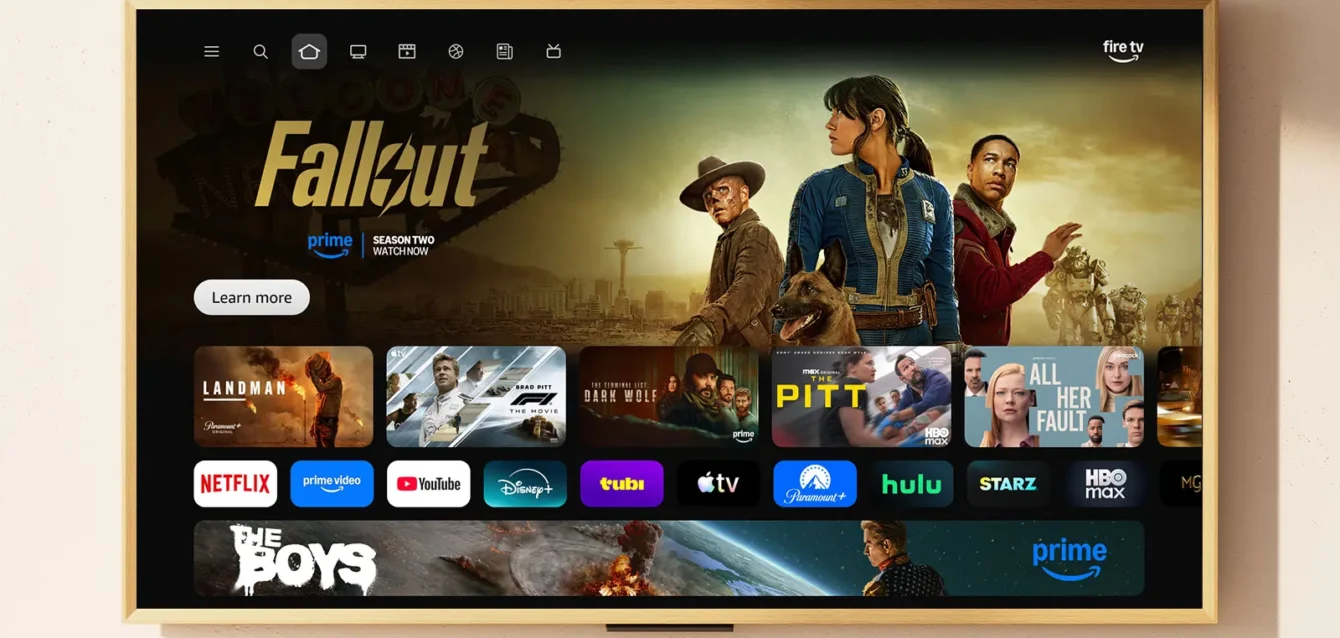
Amazon Fire TV Stick Lawsuit
Last Updated: April 15, 2026
A class action lawsuit filed against Amazon in California state court alleges the company deliberately rendered older Fire TV Stick devices unusable through software updates — then pushed frustrated users toward buying newer models rather than offering any compensation. The case is Merewhuader v. Amazon.com Inc., et al., filed in the Superior Court of California, Los Angeles County. It was filed on approximately April 2, 2026, and began trending on Google this week as coverage spread.
Here is what the complaint actually says, what Amazon has not yet said, and what it means if you own one of the affected devices.
Table of Contents
What the Lawsuit Claims
Plaintiff Bill Merewhuader purchased two second-generation Fire TV Stick devices in 2018. According to the complaint, he watched their performance steadily deteriorate over several years until the devices became effectively inoperable. By 2024, he alleges he had no choice but to buy newer versions.
The lawsuit makes three core allegations:
1. Amazon promoted the devices with promises it knew it couldn’t keep. The complaint says Amazon marketed first- and second-generation Fire TV Sticks as delivering “instant” access to hundreds of thousands of movies and TV shows. Those advertised features, the lawsuit argues, were central to consumers’ purchasing decisions — and Amazon knew the hardware’s practical lifespan was shorter than advertised.
2. Amazon cut software support earlier than it had suggested — and without warning. According to the filing, Amazon stopped providing software updates for first-generation devices in December 2022 and discontinued support for second-generation devices shortly after. Critically, the plaintiff contends Amazon had previously represented that support would continue through at least 2024. Consumers were not given adequate notice that their devices’ core functionality could be reduced or eliminated before the hardware physically wore out.
3. Amazon offered no refunds and instead redirected consumers to buy new hardware. Rather than compensating affected users or providing a path to restore functionality, the complaint alleges Amazon simply pointed consumers toward its newer, more expensive models. The lawsuit describes this as the practical effect of what it calls “software tethering” — where a product’s usefulness depends on an ongoing software relationship controlled entirely by the manufacturer, which can be cut at any time.
The word “bricking” in the complaint and in coverage refers to this software-induced inoperability: hardware that still physically functions but can no longer perform its advertised purpose.
What Amazon Has Said
As of publication, Amazon has not issued a public statement responding to the lawsuit. The company has not filed a response in court, which is expected — defendants typically have 30 days to respond after service. Axis Intelligence reached out to Amazon’s press office; no response was received before publication time.
Important caveat: These are allegations. A class action complaint represents one side of a legal dispute. Nothing in this article should be read as a finding that Amazon acted wrongfully. Courts have not ruled on the merits.
Who Is Affected and What the Lawsuit Seeks
Merewhuader is seeking to represent two classes:
- A nationwide class covering all U.S. consumers who purchased first- or second-generation Fire TV Stick devices
- A California subclass of the same purchasers in California
The relief sought includes: damages and restitution for lost device value, injunctive relief to stop these practices going forward, and direct compensation for affected consumers. The plaintiff’s attorneys are Jeffrey D. Kaliel and Sophia Goren Gold of KalielGold PLLC, and Annick M. Persinger of Tycko & Zavareei LLP.
Which devices are at issue: First-generation and second-generation Fire TV Stick units. If you own a third-generation or newer device, you are not part of the proposed class based on the current complaint. The lawsuit does not cover Fire TV Smart TVs (a separate pricing lawsuit covers those) or Fire TV Cube devices.
Class certification is not guaranteed. For this to become a functional class action — meaning potentially thousands of consumers receive compensation — a California court must certify the class. That process takes months to years and involves Amazon’s legal team arguing, among other things, that the individual circumstances vary too much for a class to make sense.
Why This Case Matters Beyond Fire TV Sticks
The lawsuit is arriving at a moment when regulators have been paying close attention to exactly this type of conduct.
In November 2024, the FTC released a staff report examining software support commitments across 184 connected consumer devices. The report found that nearly 89% of manufacturer web pages failed to disclose how long their products would receive software updates — even though some devices cease to function without ongoing manufacturer support. The FTC concluded that this failure to disclose could, “depending on the facts,” violate the Magnuson-Moss Warranty Act or Section 5 of the FTC Act, which prohibits unfair or deceptive practices. The Amazon Fire TV Stick complaint directly cites federal regulators’ growing concern about software-tethered products.
This connects to a broader movement reshaping how consumer protection law applies to software-dependent hardware. California’s Right to Repair Act requires electronics manufacturers to provide repair tools and parts for up to seven years for devices that cost more than $100. Colorado’s law, effective for devices manufactured after January 1, 2026, prohibits manufacturers from using software restrictions to reduce device functionality or display misleading warnings about components. The legal theory in the Amazon complaint — that a manufacturer cannot sell a hardware device while concealing that its functionality can be remotely terminated — sits squarely in this evolving legal landscape.
The precedent that matters most: if this lawsuit achieves class certification and proceeds to trial or settlement, it would establish that tech companies face real financial liability for sunsetting products without adequate consumer notice or compensation. That outcome would apply pressure well beyond Amazon — to any company that sells connected hardware dependent on ongoing software support.
What You Should Do Right Now
If you own a first- or second-generation Fire TV Stick:
You don’t need to do anything to potentially participate in the class action if it is certified. Class actions are opt-in or opt-out depending on the relief structure, and the details won’t be clear until much later in the process. The lawsuit is early-stage; no settlement exists and no timeline for resolution is established.
Watch your email. If the class is certified and you purchased a first- or second-generation Fire TV Stick, you may eventually receive a court-mandated notice. Keep any purchase records you have — emails, Amazon order confirmations, credit card statements — as these would document your eligibility.
Separately from the lawsuit: If your Fire TV Stick has become slow or unusable, a factory reset sometimes restores partial functionality. Go to Settings → My Fire TV → Reset to Factory Defaults. This will not restore discontinued features but sometimes addresses software corruption that compounds performance degradation. It won’t help with features Amazon has actively removed.
For a replacement: If you’re shopping for a new streaming device, the Fire TV Stick 4K Max (4th generation) and the Roku Streaming Stick 4K are both current-generation devices. Our coverage of AI scams and consumer protection includes guidance on evaluating tech purchases from vendors with opaque support timelines — see our AI scams and consumer protection guide for the broader pattern of how companies obscure product limitations at the point of sale.
What Happens Next
Near term: Amazon’s legal team will respond to the complaint, likely filing a motion to dismiss or an answer. If a motion to dismiss is filed, a California judge will rule on whether the complaint states a viable legal claim. This typically takes several months.
Medium term: If the case survives a motion to dismiss, the parties enter discovery — Amazon would be required to produce internal communications, product support documentation, and engineering records related to the decisions to discontinue updates. Discovery in a case like this can take 18–36 months.
Longer term: The class certification motion is where the case either becomes large or stays small. If certified, Amazon faces potential exposure across a very large group of consumers. If not certified, Merewhuader may continue only as an individual plaintiff, significantly reducing the financial stakes and leverage.
Settlement probability: Most class actions settle before trial. Whether Amazon settles, and at what amount, will depend heavily on what internal documents reveal during discovery.
Axis Intelligence will update this article as the case develops. For consumer protection and cybersecurity coverage, follow our cybersecurity section. Related: our Best Antivirus for 2026 guide covers the security software that protects devices Amazon and other companies no longer patch.
FTC Staff Report on Software Support for Connected Devices (November 2024), FTC Policy Statement on Repair Restrictions.
[simple-author-box]