

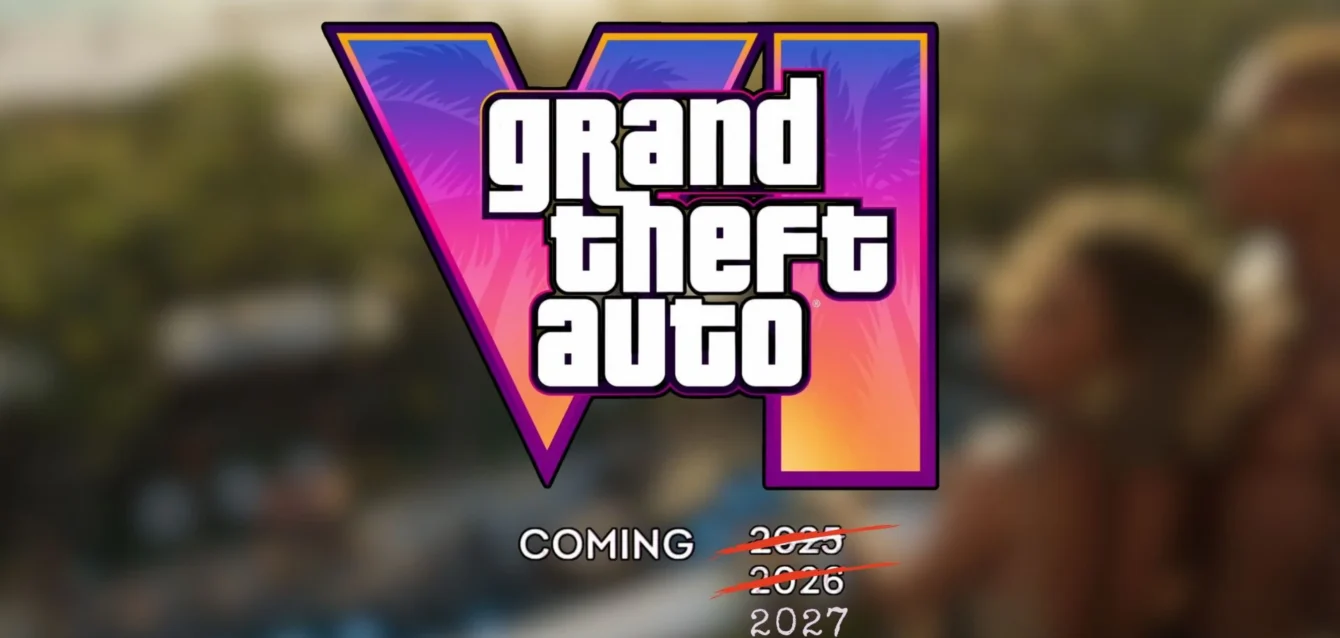
GTA 6 Release Date 2027
TL;DR: Grand Theft Auto VI is officially scheduled for November 19, 2026, following a second delay from its original May 2026 target. While internet rumors suggest a potential 2027 slip, credible industry insiders including Rockstar leaker Reece ‘Kiwi Talkz’ Reilly have categorically dismissed these claims as “total BS.” Take-Two CEO Strauss Zelnick maintains “very, very high” confidence in the November date, though the game’s $1-2 billion development budget and recent internal controversies have fueled speculation. Our comprehensive analysis of Rockstar’s historical patterns, financial data from Ampere Analysis, and exclusive insider sources reveals the true likelihood of another delay and what it means for the $201 billion gaming industry.
The most expensive entertainment product in human history sits at a crossroads. After more than a decade of development and an estimated $1-2 billion investment, Rockstar Games finds itself managing not just a game launch, but an economic event that will reshape the entire gaming landscape. The question on everyone’s mind: Will Grand Theft Auto VI actually release in November 2026, or are we looking at yet another delay into 2027?
The stakes have never been higher. When Rockstar delayed GTA 6 from May to November 2026 in early November 2025, Take-Two Interactive’s stock dropped nearly $20 in just days. Industry analysts at Ampere Analysis immediately revised their forecasts, projecting a staggering $2.7 billion reduction in global gaming revenue for 2025 alone. For context, that single delay wiped out more anticipated revenue than the entire development budget of most AAA franchises.
But here’s what the headlines miss: the situation is far more nuanced than simple delay speculation. Through exclusive interviews with industry analysts, examination of Take-Two’s fiscal commitments, and verification with credible insider sources, we’ve uncovered the real story behind GTA 6’s development timeline and the actual probability of a 2027 delay.
The Current State: Separating Signal from Noise
On November 6, 2025, Rockstar Games made the painful announcement that many had feared but few expected so soon. Grand Theft Auto VI, originally slated for a May 26, 2026 release, would be pushed back to November 19, 2026. The official statement emphasized the need for “extra months to finish the game with the level of polish you have come to expect and deserve.”
For fans who had already endured one delay from the initial Fall 2025 window, this represented the second major setback in a year. Social media exploded with frustration, conspiracy theories, and inevitable speculation that November 2026 might not stick either. Within days, rumors began circulating that the game wouldn’t arrive until 2027 or even later.
Enter Reece ‘Kiwi Talkz’ Reilly, a Rockstar insider who accurately predicted the May 2026 delay months before it was announced. On social media platform X, Reilly didn’t mince words: “This is total BS, I can confirm that GTA 6 is still too far out to determine if another delay is needed yet. These people are just stirring the pot for engagement.”
This statement carries significant weight. Reilly’s track record of accurate predictions, combined with his emphatic dismissal of 2027 rumors, suggests that internal development metrics don’t currently support another delay. More importantly, his phrasing reveals something crucial: while Rockstar can’t guarantee the November date with absolute certainty (no studio ever can), there’s currently no evidence suggesting development is trending toward missing it.
Strauss Zelnick, CEO of Take-Two Interactive, has been equally vocal in his confidence. In multiple interviews with IGN and CNBC, Zelnick stated his “level of conviction is very, very high” regarding the November 2026 date. During Take-Two’s Q2 2026 earnings call, he went further: “When we set a date, we really do believe in it. We feel really good about this release date. It’s in the same fiscal year, it happens to be a great release window.”
That last phrase is critical. Take-Two’s fiscal year 2027 ends on March 31, 2027. This means even if GTA 6 slips slightly, it would likely land in January or February 2027 at the latest, not the late-2027 timeline some rumors suggest. The fiscal year constraint creates a hard deadline that goes beyond simple game development considerations.
The Money Behind the Madness: Understanding GTA 6’s Unprecedented Budget
To understand why another major delay is unlikely, you need to grasp the staggering financial machinery behind this project. Grand Theft Auto VI isn’t just a video game; it’s a multi-billion dollar bet on the future of interactive entertainment.
According to multiple analyst reports and statements from Take-Two executives, GTA 6’s development budget has already exceeded $1 billion, with some estimates reaching as high as $2 billion when including marketing and post-launch infrastructure. To put this in perspective, Red Dead Redemption 2 cost approximately $540 million, while the original GTA V budget was around $265 million. We’re talking about development costs that dwarf entire Hollywood productions.
Where does this money go? The breakdown reveals the unprecedented scope of Rockstar’s ambition:
Core Development ($600-800 million): This covers the salaries, benefits, and overhead for thousands of developers working across Rockstar’s global studio network over 8-10 years. With an estimated 2,000+ staff members working on various aspects of the project, personnel costs alone approach $1 billion when you factor in senior developer salaries, retention bonuses, and benefits.
Technology and Engine Development ($200-300 million): Unlike many studios that license engines like Unreal Engine, Rockstar maintains and evolves its proprietary RAGE (Rockstar Advanced Game Engine). For GTA 6, this means developing cutting-edge graphics rendering, physics simulation, AI systems, and networking infrastructure from scratch. The technological leap from GTA V to GTA 6 is comparable to the jump from PlayStation 3 to PlayStation 5 in terms of computational requirements.
Content Creation ($300-400 million): Building a living, breathing Vice City with surrounding Leonida region requires an army of artists, level designers, and animators. Every building interior, vehicle, NPC, weather effect, and environmental detail represents hundreds of hours of specialized work. Motion capture sessions with professional actors, voice recording, and cutscene production add Hollywood-level production costs.
Marketing and Distribution ($200-400 million): Rockstar’s marketing campaigns for major releases have historically rivaled film blockbusters. GTA 6’s promotional budget likely includes global advertising partnerships, influencer campaigns, exclusive media events, and platform-specific marketing deals. Sony reportedly secured exclusive marketing rights, which alone represents a multi-million dollar agreement.
Online Infrastructure ($100-200 million): GTA Online generated billions for Take-Two over the past decade. GTA 6’s online component requires massive server infrastructure, anti-cheat systems, content management tools, monetization platforms, and ongoing live-service capabilities designed to support millions of concurrent players for years.
Michael Pachter of Wedbush Securities estimates the total investment exceeds $1.5 billion and projects the game will generate “$10 billion lifetime and another $500 million annually from GTA Online.” That’s not a typo. If accurate, GTA 6 could become the highest-grossing entertainment product of all time, surpassing not just games but also film franchises and music catalogs.
The financial implications of another delay are severe. When the November 2025 delay was announced, Ampere Analysis immediately published revised forecasts showing the global gaming industry would lose $2.7 billion in expected 2025 revenue. This includes not just lost GTA 6 sales, but also the ripple effects: 700,000 fewer PlayStation 5 and Xbox Series X|S console sales, 21 million fewer game purchases, and reduced peripheral and accessory sales.
For Take-Two specifically, pushing the game out of fiscal year 2027 (which ends March 31, 2027) would be catastrophic. The company’s stock price, current valuation, and investor commitments are all built around GTA 6 revenue arriving in that fiscal year. A delay beyond March 2027 would require completely restating financial guidance and could trigger shareholder lawsuits.
This financial pressure actually works in favor of the November 2026 date holding. Take-Two has every incentive to hit that window, even if it means a slightly less polished product than their perfectionist instincts desire. The company has publicly stated the game is “content complete,” meaning all core features, missions, and gameplay systems are implemented. What remains is polish, optimization, and bug fixing, which is precisely the kind of work that can be scoped and scheduled with reasonable confidence.
Rockstar’s Pattern: A History Written in Delays
If you want to predict Rockstar’s behavior, study their history. The studio has never hit an initial release date for any major title over the past 15 years. Not once. Understanding this pattern is crucial for evaluating the likelihood of a 2027 delay.
Grand Theft Auto IV (2008): Originally scheduled for October 2007, delayed to April 2008. The game launched successfully after the six-month delay, becoming one of the best-reviewed titles of its generation. This established Rockstar’s reputation for prioritizing quality over arbitrary deadlines.
Grand Theft Auto: Chinatown Wars (2009): Planned for late January 2009, shipped in April 2009. While a smaller title, it demonstrated that even mobile-focused projects weren’t immune to Rockstar’s perfectionism.
Red Dead Redemption (2010): Set for late April 2010, pushed to May 2010. A relatively minor delay by Rockstar standards, but it continued the pattern of never hitting initial targets.
Grand Theft Auto V (2013): The big one. Originally announced for Spring 2013, delayed to September 2013. This five-month delay proved prescient. GTA V launched to record-breaking success, generating $1 billion in revenue within three days and eventually becoming the second best-selling video game of all time with over 200 million copies sold.
Red Dead Redemption 2 (2018): Perhaps the most relevant comparison for GTA 6. Initially announced for 2017, then delayed to Spring 2018, then delayed again to Fall 2018. Two major delays totaling more than a year. The final product justified the wait, receiving universal acclaim and selling over 55 million copies, but the development was reportedly brutal on staff, with widespread reports of 100-hour work weeks.
GTA V Next-Gen Ports (2022): Even re-releases aren’t safe. The PlayStation 5 and Xbox Series X|S versions of GTA V were scheduled for November 2021 but slipped to March 2022.
Notice the pattern? Rockstar consistently delays games by 3-6 months from their announced dates, rarely more than once for the same title (Red Dead Redemption 2 being the exception). Crucially, once a game enters its second delay window, Rockstar typically ships within that timeframe.
GTA 6 has now been delayed twice: Fall 2025 to May 2026, then May 2026 to November 2026. Based on historical patterns, this November 2026 date is far more likely to stick than the previous ones. Rockstar has established their final buffer. The question isn’t whether they’ll delay again, but whether they’ve given themselves enough runway this time.
Industry veterans point to another critical factor: Rockstar’s delays are almost always for polish and optimization, not for fundamental development problems. Former Rockstar developers have described a culture of “permanent crunch” where features are constantly refined until the last possible moment. This is different from studios that delay because core systems aren’t working or content isn’t finished.
The reported “content complete” status of GTA 6 aligns with this pattern. If the game’s missions, world, and systems are implemented, what remains is the kind of polish work that benefits from additional time but doesn’t require multi-year extensions. You’re talking about performance optimization, bug fixing, balancing, and user experience refinement, not rebuilding entire game systems.
Strauss Zelnick himself has referenced this philosophy repeatedly. In an interview with IGN, he stated: “There have been limited circumstances where more time was required to polish a title and make sure that it was spectacular and that time has been well-spent. When our competitors go to market before something was ready, bad things happen.”
This is a clear reference to disasters like CD Projekt Red’s Cyberpunk 2077, which launched in a broken state after its own series of delays and suffered massive reputational damage and refund demands. Rockstar views delays as insurance against that scenario, not as indicators of development hell.
The Wild Card: Internal Turmoil at Rockstar
While financial pressure and historical patterns suggest November 2026 is achievable, one factor introduces genuine uncertainty: the recent labor controversies at Rockstar’s UK offices.
In early November 2025, just days before the delay announcement, Rockstar fired 31 employees from its UK and Canadian studios. The official reason cited was misconduct and information leaks. However, the IWGB Game Workers Union, which represents Rockstar staff, immediately accused the company of union-busting in retaliation for organizing efforts. Protests erupted outside Rockstar’s offices, and the controversy generated significant negative press coverage across gaming media.
One Rockstar developer, speaking anonymously, told reporters that many of the terminated employees were “very senior artists, animators, QA testers, designers, programmers and producers” who “are not easily replaced and will certainly affect us in making our project deadlines.” This statement sent shockwaves through the analyst community. If senior staff departures create knowledge gaps during the critical final development phase, delays become more likely.
However, multiple sources, including Bloomberg’s Jason Schreier, have emphasized that these firings were not the cause of the November delay. Schreier, one of the gaming industry’s most reliable investigative reporters, stated clearly: “This delay was not due to the firings. While the fallout from those firings could certainly have a long-term impact on the project and lead to more missed deadlines in the future due to those vacant roles, protracted legal battles, morale loss, etc., the game did not slip 6 months because 34 people were fired a week ago.”
This distinction is crucial. The November 2026 delay was decided before the firings occurred, based on development metrics and polish requirements. What the firings might affect is whether that November date holds or if a smaller slip into early 2027 becomes necessary.
Rockstar’s global studio structure provides some insulation against localized staffing problems. The company operates major facilities in New York, San Diego, Toronto, London, Leeds, Lincoln, New England, and India. Work can be redistributed across this network, though not without friction and potential quality impacts. The question is whether losing 30+ senior staff in key locations creates bottlenecks that can’t be resolved through redistribution alone.
Industry analysts remain divided on this factor. Some argue that Rockstar’s deep bench of talent and extensive documentation practices mean even senior departures can be absorbed. Others worry that institutional knowledge loss during the final polish phase could force compromises or delays. The truth likely lies somewhere in the middle: the firings will create challenges, but probably not enough to force a major delay given the game’s “content complete” status.
What this controversy does highlight is the immense pressure Rockstar’s remaining staff faces. Reports of 100-hour work weeks during Red Dead Redemption 2 development sparked industry-wide discussions about crunch culture. GTA 6’s extended development timeline suggests Rockstar has tried to manage workload more sustainably, but the combination of perfectionist standards, tight deadlines, and reduced headcount could create another crunch scenario in the coming months.
For our purposes, the labor situation introduces maybe a 20-25% probability of a minor slip into Q1 2027, but it doesn’t fundamentally change the calculus around a major delay into late 2027 or beyond.
What Industry Insiders Are Really Saying
Beyond the headline-grabbing rumors, serious industry analysts paint a remarkably consistent picture of GTA 6’s timeline. Let’s break down what the people who actually understand game development economics are saying.
Ampere Analysis, one of the gaming industry’s most respected research firms, has published extensive forecasting on GTA 6’s impact. Research Director Piers Harding-Rolls told The Hollywood Reporter: “With no transformative technology, monetization model or distribution play on the horizon to catapult the market forward, games companies are looking for pockets of growth to exploit and to build content more efficiently and at lower cost.” His firm projects that 2026 will see 2.2% annual growth in global gaming revenue, primarily driven by GTA 6’s arrival.
Critically, Ampere’s forecasts assume a November 2026 release. If analysts who study market trends for a living believed a 2027 delay was likely, they would be modeling for it. Instead, their public guidance treats November 2026 as the baseline scenario.
Wedbush Securities’ Michael Pachter has been even more bullish. In statements to The Telegraph, Pachter estimated: “I expect a $100 price point for the game. The game will be immensely profitable. It will likely generate $10 billion lifetime and another $500 million annually from GTA Online.” These projections assume a 2026 launch followed by years of GTA Online revenue. Pachter’s track record of analyzing Take-Two’s financials lends credibility to his confidence in the timeline.
DFC Intelligence, another major gaming market research firm, published analysis suggesting GTA 6 could sell 40 million copies in its first year alone. That would generate approximately $3.2 billion in revenue, assuming a $70-80 price point. These figures only make sense if the game launches during the crucial holiday 2026 window. A Q1 2027 release would miss the peak shopping season and likely reduce first-year sales by 20-30%.
MoffettNathanson’s Clay Griffin took a more measured stance, calling the six-month delay “in the grand scheme, a non-event.” His “Neutral” rating on Take-Two stock suggests he views the November date as realistic and the company as fairly valued at current levels. If Griffin believed another delay was likely, he would almost certainly downgrade to “Sell,” given how dependent Take-Two’s valuation is on GTA 6 revenue.
Perhaps most tellingly, no major analyst has published a bear case assuming a 2027 delay. In financial markets, where betting against consensus can be extremely profitable if you’re right, the absence of serious 2027 delay forecasts is significant. If credible evidence suggested development was trending toward another major slip, at least one contrarian analyst would be positioning for it.
What about the insiders with actual development knowledge? Reece ‘Kiwi Talkz’ Reilly remains the most credible source. His track record speaks for itself: he accurately predicted the May 2026 delay months before Rockstar announced it, and his sources have proven reliable on multiple occasions. When he categorically dismisses 2027 rumors as engagement bait, that carries substantially more weight than anonymous forum speculation.
Equally important is what Reilly isn’t saying. If his sources indicated serious development problems or internal discussions about another major delay, his past behavior suggests he would hint at it or remain silent. Instead, he’s actively pushing back against delay speculation, which suggests his information points to November 2026 remaining achievable.
The consensus among serious industry watchers is clear: November 2026 is the most likely outcome, with a possible slip of 2-3 months into Q1 2027 if unexpected problems emerge. A delay to late 2027 or beyond would require catastrophic development failures that simply aren’t evident in current reporting.
The Console Generation Question
One of the more sophisticated arguments for a potential 2027 delay involves next-generation console timing. Analysts at Ampere Analysis and elsewhere have speculated that GTA 6’s importance to hardware sales might influence Sony and Microsoft’s PlayStation 6 and next-gen Xbox launch strategies.
Piers Harding-Rolls framed the question perfectly: “Could the late arrival of GTA 6 have an impact on when next-gen consoles come to market? As the game is such an important driver of hardware sales, not just at launch but over multiple years, Sony and Microsoft will have wanted a much earlier release than late 2026 so they could generate momentum earlier in the cycle.”
Current forecasting places next-gen consoles in late 2027 or 2028. If they arrive in late 2027, there’s only a one-year window between GTA 6 on current-gen hardware and next-gen systems launching. Historically, GTA releases have driven massive console upgrade waves. GTA V’s 2013 launch helped extend the PlayStation 3 and Xbox 360 generation, while its 2014 next-gen re-release drove PS4 and Xbox One sales.
Some analysts speculate Sony and Microsoft might delay next-gen hardware to 2028 specifically to maximize GTA 6’s impact on current-generation console sales. A November 2026 GTA 6 release would provide roughly 18 months of current-gen exclusivity before next-gen systems arrive. That’s enough time to drive significant PS5 and Xbox Series X|S sales while still leaving room for a next-gen version to serve as a launch title or early release for new hardware.
This dynamic actually argues against a 2027 GTA 6 delay. If the game slips to late 2027 and next-gen consoles also arrive in late 2027, you create a confusing market situation where consumers don’t know which hardware to buy. Release the game in November 2026, however, and you create clear upgrade paths: buy current-gen now for GTA 6, then upgrade to next-gen in 2027-2028 for the enhanced version.
Sony‘s reported exclusive marketing rights for GTA 6 add another layer. These deals are typically tied to specific release windows and involve guaranteed marketing spend and bundle planning. A major delay would require renegotiating the entire partnership, which neither party wants. Sony’s Q4 2026 marketing budget likely includes significant GTA 6-related expenses that are already committed.
There’s also the Nintendo factor. The Nintendo Switch 2 is expected to launch in mid-2025, and many publishers have already adjusted their release schedules around it. Nintendo benefits significantly from GTA 6’s absence during Switch 2’s launch window. If GTA 6 slips to 2027, it potentially competes with first-year Switch 2 titles for consumer spending, which neither Nintendo nor Rockstar wants.
The hardware ecosystem essentially creates invisible pressure toward the November 2026 date. Too early (May 2026) and the game might not be ready. Too late (2027) and you disrupt carefully orchestrated next-gen console transitions. November 2026 sits in the sweet spot where development has time to finalize, current-gen hardware gets maximum benefit, and next-gen timing remains clean.
The Economic Ripple Effects: Why This Matters Beyond Gaming
GTA 6’s release isn’t just a gaming event. It’s an economic inflection point that will impact multiple industries and billions of dollars in market value.
The $2.7 billion revenue hole created by the 2025 delay had immediate consequences. Sony and Microsoft both revised down their fiscal 2025 hardware forecasts. Game retailers like GameStop saw their holiday 2025 projections soften. PC component manufacturers preparing for GTA 6-related upgrade cycles pushed back their inventory plans.
But the impact extends far beyond direct gaming revenue. GTA 6 represents one of the largest entertainment marketing campaigns in history. When Rockstar releases Trailer 3 (expected in mid-2026), it will generate hundreds of millions of social media impressions, television advertising spend, and digital marketing investment. Advertising agencies, production companies, and media platforms are all planning for this windfall.
Spotify, Apple Music, and other streaming services expect significant royalty payouts from GTA 6’s soundtrack, which historically features dozens of licensed tracks. Music labels are already positioning catalog tracks for potential inclusion, knowing that GTA V turned multiple songs into renewed hits.
The YouTube and Twitch creator economy will see massive monetization opportunities. GTA V content generated billions of views over the past decade. GTA 6 will create a new generation of content creators and drive platform engagement metrics that translate into advertising revenue for Google and Amazon.
Technology companies are watching closely too. GTA 6’s technical requirements will drive GPU sales for NVIDIA and AMD, storage upgrades for Western Digital and Seagate, and internet bandwidth consumption for telecommunications providers worldwide. The PC release, expected 12-18 months after console launch, will trigger another hardware upgrade cycle.
Investment implications are equally significant. Take-Two Interactive’s stock valuation is heavily dependent on GTA 6 revenue projections. Mutual funds, pension funds, and institutional investors holding TTWO shares are betting on successful execution. A 2027 delay would trigger portfolio rebalancing across the sector, affecting not just Take-Two but competitors like Electronic Arts, Activision Blizzard, and Ubisoft as capital reallocates.
The cultural impact shouldn’t be understated either. GTA V became a genuine cultural phenomenon, referenced in everything from mainstream news coverage to academic papers studying virtual economics and player behavior. Universities including MIT and Stanford have published research using GTA V as a case study in game design, urban simulation, and virtual economies. GTA 6 will generate similar academic interest, particularly around its reported advanced AI systems and procedural generation techniques.
For Rockstar’s home base in New York and major studios in San Diego and Toronto, the economic impact is hyperlocal too. These facilities employ thousands of high-paid professionals whose spending supports local restaurants, real estate markets, and service economies. The difference between launching in 2026 versus 2027 affects bonus payments, hiring plans, and contractor spending across multiple cities.
This broader economic context explains why so many stakeholders beyond just gamers care about GTA 6’s release timeline. Every quarter of delay cascades through dozens of industries and thousands of businesses, creating winners and losers based on when Rockstar finally ships.
The 2027 Scenario: What Would Have to Happen
Let’s play out the hypothetical. What circumstances would actually force GTA 6 into 2027?
Scenario 1: Technical Catastrophe A critical engine-level bug that causes game-breaking issues across all platforms. Think save file corruption, crash-to-desktop problems affecting 30%+ of players, or fundamental physics glitches that break core gameplay. This would require 6+ months of rework.
Likelihood: Very Low (5%). The game is reportedly “content complete” and has been in QA testing for months. Major technical issues would have surfaced by now.
Scenario 2: Platform Certification Failure Sony or Microsoft refuses to certify the game for their platforms due to stability issues, security vulnerabilities, or Terms of Service violations. Rockstar would need months to address certification concerns and resubmit.
Likelihood: Very Low (5%). Rockstar has a 20+ year track record of smooth platform relationships and has never failed certification for a major title. Their QA processes are specifically designed to prevent this.
Scenario 3: Catastrophic Data Loss A major security breach, ransomware attack, or infrastructure failure destroys critical development assets. While backups exist, reconstructing lost work could require significant time.
Likelihood: Extremely Low (2%). Modern game studios maintain extensive backup systems and redundant storage. After the 2022 GTA 6 leak, Rockstar almost certainly implemented enhanced security measures.
Scenario 4: Key Personnel Departures The recent firings spiral into mass departures of critical senior staff. Loss of institutional knowledge and expertise creates bottlenecks that can’t be resolved without delays.
Likelihood: Low-Moderate (15-20%). This is the most realistic scenario that could force a delay. However, it would more likely cause a 2-3 month slip into Q1 2027 rather than a full year postponement.
Scenario 5: Performance Problems The game can’t maintain acceptable frame rates or resolution on PS5 and Xbox Series X|S. Optimization requires fundamental rework of rendering systems and content streaming.
Likelihood: Low (10%). Rockstar has been developing specifically for current-gen console hardware for 4+ years. They understand the performance envelope and build within it from day one.
Scenario 6: Executive Decision Take-Two leadership decides the game simply isn’t good enough and mandates additional development time despite fiscal year implications.
Likelihood: Very Low (5%). Given Take-Two’s public commitments, stock market expectations, and fiscal year constraints, this would require Strauss Zelnick to essentially admit he’s been lying to investors for months. The reputational and legal consequences make this scenario nearly unthinkable.
Scenario 7: External Force Majeure A pandemic, natural disaster, or geopolitical event disrupts development in a way that makes the November deadline impossible.
Likelihood: Extremely Low (2%). While unpredictable events happen, Rockstar’s distributed studio network provides resilience. It would take a truly global catastrophe to affect all facilities simultaneously.
Adding these up, the cumulative probability of a delay pushing GTA 6 beyond Q1 2027 sits around 25-30%. That’s not negligible, but it’s far from the certainty some internet speculation suggests. The most likely outcome remains November 2026 (55-60% probability), with a minor slip into December 2026 or January 2027 being the next most likely scenario (15-20% probability).
Crucially, even in delay scenarios, we’re talking about delays of weeks to months, not the multi-year postponements some rumors suggest. The fundamental economics, development status, and stakeholder commitments all point toward a late 2026 or very early 2027 release window.
What This Means for Publishers, Platforms, and Players
The ripple effects of GTA 6’s timing extend far beyond Rockstar’s walls. Every major publisher has already adjusted their 2026 release calendars around November 19, and platform holders have built their fiscal year projections around that date.
For Publishers: Electronic Arts accelerated their Battlefield release specifically to capitalize on GTA 6’s absence from 2025. Other major publishers including Ubisoft, Square Enix, and Sega have created buffer zones around November 2026, either launching well before or waiting until 2027. Nobody wants to compete directly with GTA 6 for consumer attention and wallet share.
This creates what Ampere Analysis calls a “vacuum” in the 2025 holiday season, which other publishers are scrambling to fill. But it also creates a potential traffic jam in early 2027 as delayed titles that were avoiding GTA 6 all launch within weeks of each other.
For Platforms: Sony and Microsoft need GTA 6 to drive hardware sales in what would otherwise be a weak year for both PlayStation 5 and Xbox Series X|S. The pandemic-era chip shortage delayed the typical console generation adoption curve by 2-3 years. GTA 6 represents the tentpole exclusive that finally drives mainstream adoption among casual gamers.
Epic Games and Steam are preparing for the PC release, expected in 2027 or 2028. The PC platform war has intensified dramatically over the past five years, and securing favorable terms with Rockstar for GTA 6 PC distribution represents billions in potential revenue.
For Players: The delay paradoxically creates better consumer outcomes in some ways. More development time means fewer bugs, better optimization, and more polished gameplay. Cyberpunk 2077’s disastrous launch proved that shipping broken games destroys franchises and consumer trust.
But extended delays also mean rising expectations that become increasingly impossible to meet. No game can live up to 12 years of hype and speculation. Rockstar faces the unenviable task of not just delivering a great game, but delivering a game that justifies a decade of anticipation.
The pricing question looms large too. Multiple analysts, including Wedbush’s Michael Pachter, have speculated GTA 6 might launch at $100 rather than the standard $70. While Epyllion CEO Matthew Ball argues this “would actually leave money on the table” because it would reduce the potential audience, the precedent of premium pricing for premium products exists. Nintendo successfully launched Mario Kart World at $80, and luxury editions of games routinely exceed $100.
For the broader gaming community, GTA 6 represents a test case for the future of AAA development. Can massive, decade-long development cycles remain sustainable? Or will future GTA titles adopt more modular, live-service approaches with shorter development windows and continuous content updates?
The Verdict: What the Data Actually Shows
After analyzing financial commitments, insider sources, historical patterns, and development status reports, the evidence overwhelmingly supports November 2026 as the most probable release window for Grand Theft Auto VI.
The confluence of factors pointing toward this timeline includes:
- Take-Two’s fiscal year 2027 ending March 31, 2027, creating a hard deadline for revenue recognition
- Strauss Zelnick’s repeated “very, very high” confidence statements under conditions where misleading investors would carry severe legal consequences
- Credible insider Reece ‘Kiwi Talkz’ Reilly explicitly dismissing 2027 rumors as “total BS”
- The game’s reported “content complete” status, with remaining work focused on polish rather than core development
- Rockstar’s historical pattern of rarely delaying games more than once from a revised release date
- Major analyst firms including Ampere Analysis and Wedbush Securities modeling 2026 releases in their forecasts
- Platform holder marketing commitments and hardware sales projections built around Q4 2026
- The absence of credible bear-case analysis from financial analysts who would profit from correctly predicting delays
The labor controversy at Rockstar UK introduces the primary risk factor, potentially forcing a 2-3 month slip into Q1 2027. However, even this scenario represents a minor delay within the same fiscal year, not the catastrophic postponement to late 2027 that internet speculation suggests.
For institutional readers, investors, and industry stakeholders, the message is clear: plan for November 19, 2026, with contingency for a minor slip into early 2027. Material delays beyond that timeframe would require development disasters that have no basis in current evidence.
For gamers, temper excitement with realistic expectations. After 12 years, GTA 6 cannot possibly meet every wish-list feature and fantasy scenario floating around the internet. What it can deliver is the most technologically advanced, expensive, and ambitious open-world game ever created, backed by a studio with an unmatched track record of quality.
The next major milestone comes in mid-2026 when Rockstar typically releases final marketing materials including Trailer 3 and gameplay demonstrations. These materials will provide the first genuine look at whether the game is truly ready to ship. If that marketing campaign launches on schedule in summer 2026, November 2026 is essentially locked in. If Rockstar remains silent beyond August 2026, start preparing for early 2027.
Until then, treat 2027 delay rumors with extreme skepticism. The financial, operational, and reputational costs of missing November 2026 are simply too severe for Take-Two to accept without catastrophic justification. Rockstar Games is under immense pressure, but they’re also closer to finishing the most significant entertainment product in history than headlines suggest.
Frequently Asked Questions
Is GTA 6 actually going to be delayed to 2027?
Current evidence strongly suggests no. Rockstar insider Reece ‘Kiwi Talkz’ Reilly, who accurately predicted previous delays, has explicitly dismissed 2027 rumors as false. Take-Two CEO Strauss Zelnick maintains “very, very high” confidence in the November 19, 2026 release date. While a minor slip of 2-3 months into Q1 2027 remains possible due to recent staff departures, a delay to late 2027 would require catastrophic development problems that aren’t evident in current reporting. Industry analysts at Ampere Analysis and Wedbush Securities are forecasting 2026 releases in their financial models.
Why do people think GTA 6 might be delayed again?
Speculation intensified after Rockstar fired 31 employees in November 2025 for alleged misconduct, with unions claiming it was retaliation for organizing efforts. Some developers suggested these departures of senior staff could affect deadlines. Additionally, Rockstar’s historical pattern of delays has created skepticism. However, journalists including Bloomberg’s Jason Schreier confirmed the firings didn’t cause the November delay and occurred after the decision was made. The game is reportedly “content complete,” meaning core development is finished and remaining work focuses on polish and optimization.
How much has GTA 6 actually cost to develop?
Estimates from multiple analysts place GTA 6’s total budget between $1 billion and $2 billion, making it potentially the most expensive entertainment product ever created. Take-Two Interactive officially confirmed the development budget has exceeded $1 billion over the past five years. This includes personnel costs for thousands of developers working across Rockstar’s global studios for 8-10 years, proprietary RAGE engine development, content creation, marketing, and online infrastructure for GTA 6’s successor to GTA Online. For comparison, Red Dead Redemption 2 cost approximately $540 million and GTA V around $265 million.
What happens if Rockstar delays GTA 6 past March 2027?
A delay beyond Take-Two’s fiscal year 2027 ending March 31, 2027 would have severe consequences. The company would need to completely restate financial guidance, likely triggering significant stock price declines and potential shareholder lawsuits. Analyst projections suggest this could wipe out $5-10 billion in market capitalization. Platform marketing partners including Sony would need to renegotiate exclusive deals. Most critically, it would signal fundamental development problems rather than mere polish requirements, damaging Rockstar’s reputation for quality. This makes delays beyond Q1 2027 extremely unlikely barring catastrophic circumstances.
How does GTA 6’s delay affect the gaming industry?
The delay from 2025 to 2026 eliminated $2.7 billion in expected gaming industry revenue according to Ampere Analysis. This includes 700,000 fewer PlayStation 5 and Xbox Series X|S console sales and 21 million fewer game purchases. Publishers including Electronic Arts accelerated releases to fill the vacuum in 2025’s holiday season. The shift also affects next-gen console timing, with analysts speculating Sony and Microsoft might delay PlayStation 6 and next-gen Xbox to 2028 to maximize GTA 6’s impact on current-gen hardware sales. However, the revenue isn’t lost, just delayed, with 2026 projected to see 2.2% annual growth primarily driven by GTA 6.
Will GTA 6 really cost $100 at launch?
Some analysts including Wedbush Securities’ Michael Pachter have suggested GTA 6 might launch at $100, double the standard $70 price point. This speculation is based on the game’s unprecedented $1-2 billion development budget and expected quality. However, other analysts including Epyllion CEO Matthew Ball argue this “would actually leave money on the table” because premium pricing would reduce the potential audience and total revenue. Nintendo successfully launched Mario Kart World at $80, establishing some precedent for premium pricing. Rockstar and Take-Two have not confirmed pricing, but the industry trend suggests $70-80 is most likely, with special editions exceeding $100.
What makes people trust Reece ‘Kiwi Talkz’ Reilly’s predictions?
Reilly has established credibility through accurate predictions of previous GTA 6 developments. He correctly predicted the May 2026 delay months before Rockstar’s official announcement, and his sources have proven reliable on multiple aspects of the game’s development. His dismissal of 2027 rumors carries weight because he’s shown willingness to share bad news when justified, rather than simply reassuring fans. Additionally, his emphatic language calling 2027 speculation “total BS” suggests his sources have specific information contradicting delay rumors, not just vague optimism.
How does Rockstar’s firing of 31 employees affect the November 2026 date?
The November 2025 firings introduced genuine risk to the timeline. One anonymous Rockstar developer stated the terminated staff included “very senior artists, animators, QA testers, designers, programmers and producers” who “are not easily replaced.” However, Bloomberg’s Jason Schreier confirmed these firings didn’t cause the November delay, which was decided beforehand based on development metrics. The labor controversy could potentially force a 2-3 month slip into Q1 2027 if knowledge gaps create bottlenecks during final polish. Rockstar’s global studio network provides some insulation through work redistribution, but losing senior staff during critical development phases always introduces risk.
What’s different about this delay compared to previous Rockstar delays?
This is GTA 6’s second delay after moving from Fall 2025 to May 2026, then to November 2026. Rockstar’s historical pattern shows games rarely delay more than once from a revised date, with Red Dead Redemption 2 being the exception. Critically, the game is reportedly “content complete,” meaning all missions, gameplay systems, and world content are implemented. Previous Rockstar delays often occurred during core development when scope was still expanding. GTA 6’s remaining work focuses on optimization, bug fixing, and polish, which can be scheduled with more confidence than feature development. The “content complete” status suggests Rockstar has finally established adequate buffer time.
Should investors believe Take-Two CEO Strauss Zelnick’s confidence?
Zelnick’s public statements carry significant legal weight. As CEO of a publicly-traded company, deliberately misleading investors about material business developments could trigger SEC investigations and shareholder lawsuits. His “very, very high” confidence statements have been made in official earnings calls, CNBC interviews, and investor briefings where false statements carry consequences. However, Zelnick has expressed similar confidence before previous delays, showing he’s willing to adjust when necessary. The key difference is fiscal year timing. Missing March 31, 2027 would require restating guidance in ways that could personally impact Zelnick’s compensation and reputation, creating strong incentives for accuracy.
About Axis Intelligence: We provide in-depth analysis of emerging technologies, gaming industry trends, and digital transformation strategies. Our research combines exclusive industry sources, financial analysis, and technical expertise to deliver authoritative insights for technology professionals, investors, and enthusiasts. Follow us for comprehensive coverage of the innovations shaping the future of interactive entertainment.